
Picking
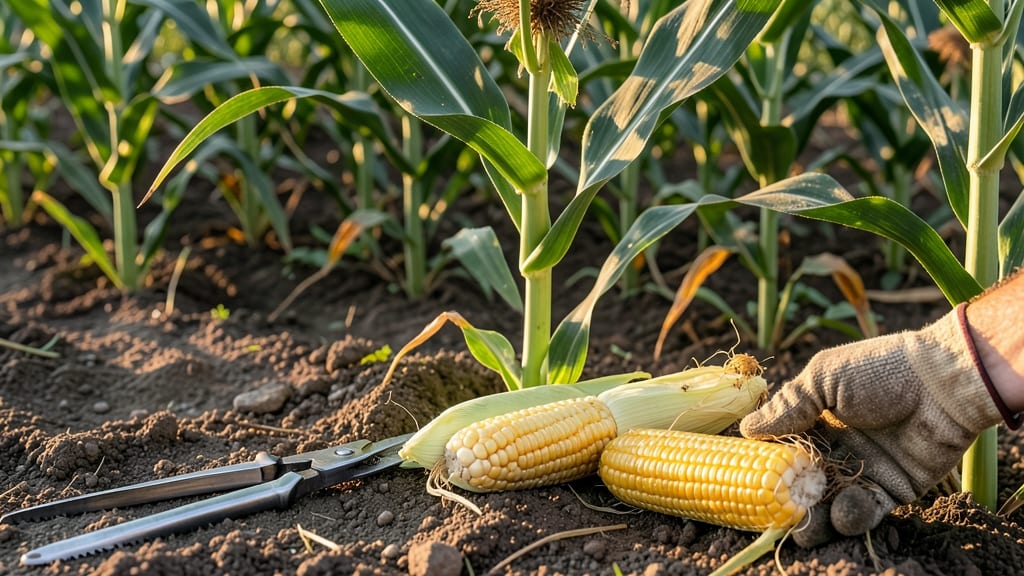
Picking corn from the garden at the right time means the difference between sweet, juicy kernels and tough, starchy ones — and the 3-finger test is your best tool to nail it.
Picture this: you’ve waited months for your 🌽 to mature, only to pull an ear that’s either still too hard or already turning mealy. That’s the frustration of timing it wrong, and it happens more often than you’d think.
But with the right cues — like silk color and kernel firmness — you can harvest at peak sweetness, every single time.
Seasonal factors like temperature and humidity play a role, too. Early summer heat can speed up ripening, while late-season humidity might delay it. Knowing when to check your corn (morning is best) and what to look for ensures you never miss the window again.
In this guide, I’ll walk you through the exact steps to use the 3-finger test, plus the best times of day and seasonal tips to guarantee your corn is perfectly sweet when you bring it to the table.


How to use the 3 finger test to determine corn ripeness
Sweet corn is at its peak when harvested at the perfect moment—just before the kernels turn starchy. The 3-finger test is a foolproof method to check ripeness, but timing matters. You’ll need to combine this test with visual cues like dried silks and kernel firmness for the best results.
I’ve used this technique for years, and it guarantees corn bursting with sweetness straight from the garden.
Before diving into the test, focus on ears with brown, crispy silks. Green silks mean the corn isn’t ready yet, while completely dried silks indicate it’s past its prime. Once you spot these telltale signs, it’s time to grab a few ears and perform the 3-finger pressure test.
This simple trick saves you from overripe, tough kernels that ruin grilling or boiling.
-
Step 1: Select the Ear
Choose a corn ear with brown, dry silks that crumble easily. Avoid ears with green or moldy silks, as they’re not ready. -
Step 2: Locate the Kernel
Find a middle kernel on the ear (avoid the tip or base). Press firmly with your thumb and first two fingers. -
Step 3: Apply Pressure
Gently squeeze the kernel between your fingers. If it resists slightly but doesn’t dent deeply, it’s perfectly ripe. -
Step 4: Check the Milk Line
Cut open the ear to confirm. A milky white liquid inside the kernel means it’s sweet and tender. If it’s clear or translucent, wait another day. -
Step 5: Harvest Immediately
Twist the ear gently to detach it cleanly from the stalk. Avoid tearing—this can damage the plant and future ears.
If the kernel dents easily under pressure, it’s overripe and likely starchy. On the flip side, if it feels rock-hard, the corn needs more time on the plant. The 3-finger test works best in the morning when temperatures are cooler, ensuring the most accurate results.
Pro tip: Test multiple ears from different plants, as ripeness can vary slightly. Once you master this method, you’ll never miss the sweetest corn again. Store harvested ears in the fridge for up to a week, or blanch and freeze them for long-term use.
For extra flavor, try harvesting in the evening when sugars peak after a full day of sunlight. Just be sure to cool the ears quickly to lock in sweetness. The 3-finger test paired with these timing tricks guarantees corn that’s juicy, tender, and packed with flavor.
Don’t overlook the ear’s weight—a ripe corn ear feels heavy for its size. Light ears often mean underripe kernels. Combine this with the 3-finger test, and you’ll have a foolproof system for perfectly sweet corn every time.
One common mistake? Waiting until the silks are completely dried and brittle. By then, the kernels have already started converting sugars to starch. The 3-finger test helps you catch corn just before this happens, ensuring maximum sweetness.
For super-sweet varieties like 'Ambrosia' or 'Silver Queen,' the 3-finger test is even more critical. These hybrids are bred for intense sweetness, so timing is everything. Test a few ears daily during peak harvest season to stay ahead of the game.
Finally, always harvest with a sharp knife or by twisting gently. Avoid tugging—this can damage the plant and reduce future yields. With the 3-finger test in your toolkit, you’re ready to enjoy homegrown corn at its sweetest all season long.
Best time of day and seasonal factors for picking sweet corn
Timing your corn harvest correctly means the difference between juicy, sweet kernels and starchy, tough ones. The best time of day to pick is late morning after dew dries, when temperatures are mild—typically between 9 AM and 11 AM.
This avoids the heat stress of midday and the chill of early morning, preserving flavor and texture.
Seasonal factors also play a critical role.
Early summer harvests (June-July) often yield sweeter corn due to cooler temperatures, while late summer (August-September) can produce larger ears but may require more frequent picking to maintain sweetness. Drought stress or extreme heat (above 90°F) can turn kernels starchy faster, so prioritize harvesting during mild weather windows.
Regional planting schedules also dictate your harvest window. In Northern climates (Zones 3-6), corn typically matures in July-August, while Southern gardens (Zones 7-11) can stretch harvests from June through September.
Plant early varieties (60-70 days to maturity) in cooler regions to avoid frost, and succession plant every 2 weeks for continuous harvests in warmer areas.
Extreme conditions demand extra attention. Drought stress causes kernels to dry out prematurely, while excessive heat accelerates starch conversion. If your area faces 90°F+ temperatures, harvest earlier in the day and prioritize shade-cloth protection for plants.
Always check for plump, milky kernels—this visual cue trumps calendar dates when weather is unpredictable.
Pro tip: Keep a harvest journal to track your local climate patterns. Note which varieties thrive in your zone and adjust picking times accordingly. For example, sugar-enhanced hybrids like 'Silver Queen' stay sweet longer in heat, while traditional varieties may require daily checks during peak summer.
By aligning your harvest with these seasonal and daily rhythms, you’ll enjoy corn at its peak—sweet, tender, and bursting with garden-fresh flavor. 🌽