
Planting
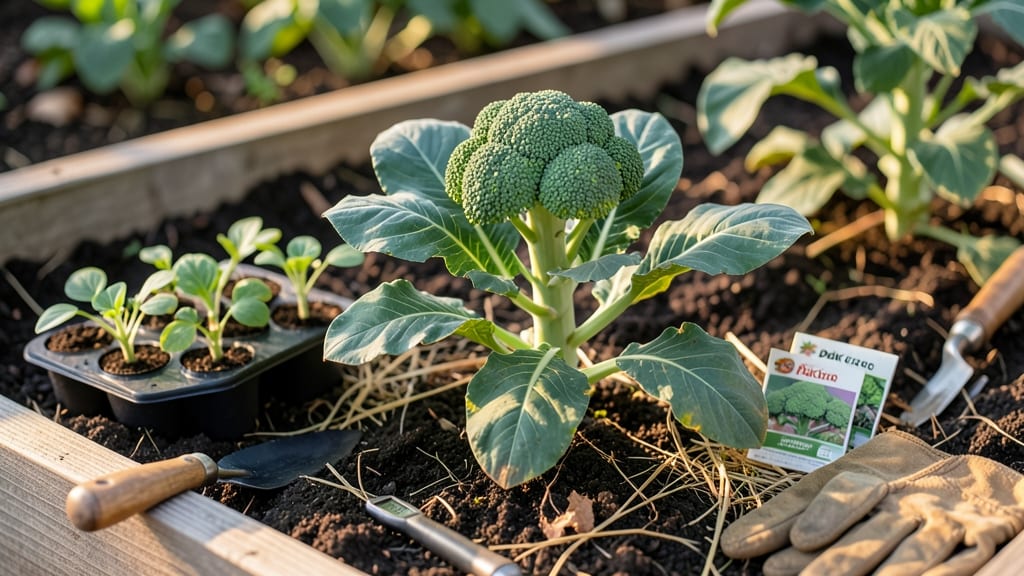
Planting a fall garden in Texas means beating the heat and frost—your timing window is narrower than you think, but with the right approach, you can still grow a bounty.
Texas gardeners know timing is everything—plant too early, and your fall crops wilt in the heat; too late, and frost ruins your harvest. But with the right heat-resistant varieties and precise deadlines, you can grow a thriving fall garden even in the Lone Star State’s unpredictable climate.
The key is understanding your region’s microclimates: Gulf Coast gardeners have a longer window than Hill Country growers, and a single late frost can wipe out a season’s work. I’ll break down the exact deadlines by zone, plus the best crops that thrive when most plants give up.
Ready to extend your harvest? You’ll learn how to pick varieties that handle Texas heat, when to plant for maximum yield, and how to protect your garden from sudden cold snaps—so you can enjoy fresh produce well into winter.
Texas fall planting deadlines by region: avoid heat & frost traps
Texas gardeners face a unique challenge: the sweltering summer heat that lingers into September and the early frost risks that can hit as soon as October. Missing your fall planting window by even a week can mean the difference between a bountiful harvest and wilted seedlings.
The key is knowing your USDA hardiness zone and adjusting for local microclimates—like urban heat islands in Dallas or coastal breezes in Houston.
North Texas (Zones 7b-8a) has the shortest window, while South Texas (Zones 8b-9a) can push planting later. Central Texas (Zones 8a-8b) falls in between, but even there, a 100-degree day in late August can stress young plants.
I’ve grown fall gardens across these regions and learned that heat-tolerant varieties and precise timing are non-negotiable for success.
Here’s your region-specific planting deadline guide, including city examples and microclimate adjustments to help you avoid both heat and frost traps.
In North Texas, where Dallas hits 95°F in late August, I’ve seen seedlings fail when planted after August 15.
The trick is to direct sow heat-resistant crops like okra and sweet potatoes by August 1, then transplant slower growers like kale and broccoli by September 1. First frost typically arrives by November 15, so aim to harvest root crops like carrots and beets before then.
Central Texas offers a slightly longer window, but San Antonio’s September heat can still stress plants. I recommend starting transplants in late August under shade cloth, then removing it once temperatures drop below 90°F consistently.
For Austin’s Hill Country, push dates back by 5 days—those rocky soils stay warmer longer, delaying frost.
South Texas gardeners have the luxury of later deadlines, but Houston’s humidity creates its own challenges. I’ve had success planting collard greens and mustard greens as late as October 1, but only with drip irrigation to prevent fungal diseases.
Coastal areas like Corpus Christi can extend planting until October 15, thanks to the Gulf breezes that moderate temperatures.
Microclimates play a huge role in Texas gardening. A south-facing wall can add 5-10°F warmth to your garden bed, while a shady spot under a tree might buy you an extra week of growing time.
Best heat-resistant fall vegetables for Texas gardens
When Texas heat refuses to let up, don't give up on your fall garden. The key is selecting heat-tolerant varieties that thrive in temperatures other crops can't handle. These 10 powerhouse vegetables will reward you with bountiful harvests even when thermometers climb past 90°F.
The secret lies in their ideal planting windows—typically mid-August to early September—when soil stays warm but nights begin cooling.
I've grown these myself in Central Texas (Zone 8a), and they've never failed me. Whether you're in Houston's humidity or San Antonio's dry heat, these varieties adapt beautifully. Let's dive into the top performers and their Texas-specific growing secrets that'll have you harvesting well into November.
Don't overlook these Texas garden staples that also excel in fall heat: Southern Peas, Swiss Chard ('Bright Lights' variety), Collard Greens, Mustard Greens, Amaranth, and New Zealand Spinach.
For example, collards planted in late August will give you tender young leaves by October and bold flavors through winter.
My pro tip for Texas fall gardens: mulch heavily with straw or wood chips to retain moisture and cool roots. I've seen soil temperatures drop 10°F just by adding 4 inches of mulch.
Also, water deeply in the morning to prevent fungal diseases that thrive in our humid fall nights. For container gardens, choose heat-resistant varieties like 'Jalapeño M' peppers or 'Cherry Belle' tomatoes—they'll keep producing even when temps flirt with 95°F.
Remember that Texas's diverse microclimates affect planting times. In North Texas, aim for mid-August plantings, while South Texas gardeners can push to early September. Always check your local frost dates—the Texas A&M AgriLife Extension has excellent zone-specific guides.
With these heat-proof varieties and precise timing, you'll enjoy homegrown harvests long after your neighbors have packed up their gardening tools.