
Planting
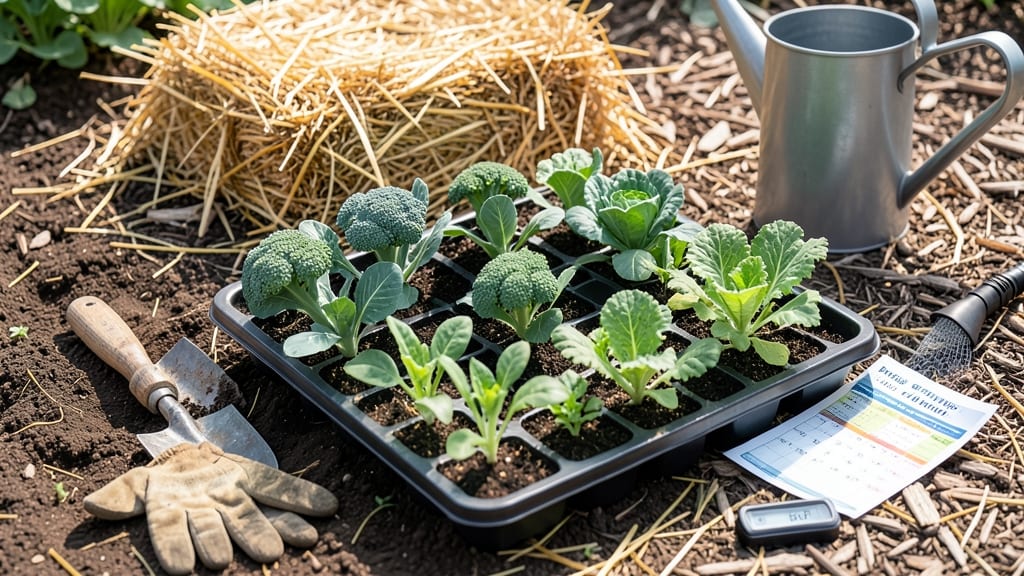
Planting a fall garden in Texas means timing it right to beat the heat and avoid the first frost—aim for mid-August to early October when temperatures dip just enough for seedlings to thrive.
Texas gardeners know the struggle: scorching summers can make fall planting seem impossible—but with the right timing and heat-tolerant crops, you can still grow a thriving 🌱 garden before winter arrives.
In zones 8a-10b, the key is planting 6-8 weeks before the first frost, which typically hits between mid-November and mid-December. That means starting in late August for fast growers like lettuce or waiting until September for heartier crops like broccoli or carrots.
Below, I’ll break down the exact planting windows by zone, the best heat-resistant crops for your Texas fall garden, and pro tips to extend your growing season without failure.
Texas fall planting deadlines by zone: exact dates for success
Texas gardeners face a unique challenge: scorching summer heat can make fall planting seem risky, but with the right timing, you can still grow a productive garden. The key is understanding your USDA hardiness zone (8a-10a) and planting before temperatures spike again in late fall.
Unlike northern states, Texas rarely experiences frost, so we focus on heat tolerance thresholds and day-length adjustments instead.
For most of Texas, the ideal fall planting window runs from mid-August to early October. This timeline ensures seedlings establish roots before September heat waves return.
However, cooler zones like Zone 8a (North Texas) have slightly earlier deadlines, while Zone 10a (South Texas) can extend planting into mid-October for heat-resistant crops. Let’s break it down by zone to avoid summer wilting and maximize your harvest.
📅 PRO TIP: Use a planting calendar that accounts for Texas’s long growing season. Unlike northern gardens, we’re not racing against frost—we’re racing against rising temperatures and shorter daylight hours in late fall.
| Zone | First Frost Date | Last Planting Deadline | Extended-Season Deadline | Heat Threshold | Key Crops |
|---|---|---|---|---|---|
| 8a (North/Central TX) | November 15 | September 1 - 15 | October 1 (with shade) | Below 90°F | Broccoli, Kale, Carrots, Spinach |
| 9a (East/Central TX) | November 20 | September 15 - 30 | October 15 (with shade) | Below 95°F | Okra, Sweet Potatoes, Black-Eyed Peas, Collards |
| 9b (South/Central TX) | December 1 | October 1 - 15 | November 1 (with shade) | Below 100°F | Tomatoes, Peppers, Eggplant, Green Beans |
| 10a (South TX) | December 15 | October 15 - 31 | November 15 (with shade) | Below 105°F | Winter Squash, Malabar Spinach, Cowpeas, Basil |
In Zone 8a, where cooler nights are more common, aim to plant cool-season crops like broccoli and kale by September 1. These plants thrive in 60-75°F temperatures and can tolerate light frosts, though Texas rarely sees them.
For Zone 9a and 9b, you can push boundaries with heat-tolerant greens like Malabar spinach or collards, which handle 95-100°F better than traditional lettuce.
If you’re in Zone 10a, your window extends later—up to November 15 for shade-tolerant crops. This zone’s longer growing season lets you experiment with tropical-inspired fall gardens, like cowpeas or sweet potatoes, which mature quickly in warm soil.
However, avoid planting after mid-November, as daylight shortens dramatically, slowing growth and increasing disease risk.
⚠️ WARNING: Never plant heat-sensitive crops like cilantro or lettuce after September 15 in any Texas zone. These plants bolt (go to seed) when temperatures exceed 80°F, making them useless for harvest. Instead, opt for slow-bolting varieties or shade-cloth-covered beds to extend their season.
For extended-season planting, use 30-50% shade cloth to lower soil temperatures by 10-15°F. This trick lets you plant 2-4 weeks later than the standard deadlines. Pair this with drip irrigation to keep roots cool and mulch heavily to retain moisture.
My Zone 9b garden in Austin thrives when I plant green beans under shade cloth in early October—they’re ready to harvest by December!
Don’t forget to test your soil before planting. Texas clay soils can bake hard in summer, so amend with compost or aged manure to improve drainage. Aim for a pH of 6.0-7.0 for most fall crops.
If your soil is too alkaline (common in Texas), add sulfur or peat moss to lower the pH. Well-prepared soil helps seedlings establish faster, giving them a fighting chance against late-summer heat.
Finally, prioritize fast-maturing varieties for fall planting. Look for labels like "50-day harvest"
Best heat-resistant fall crops for Texas gardens (ranked by yield)
Texas summers are brutal, but with the right heat-resistant crops, you can still grow a productive fall garden. The key is choosing varieties that thrive in 90°F+ temperatures while setting you up for a second harvest before winter.
These top 10 crops deliver high yields even when other gardens wilt.
I’ve ranked them based on yield potential, heat tolerance, and speed to harvest, so you can prioritize what works best for your Texas zone. Start planting in mid-August for most crops, but some—like sweet potatoes—need an earlier start to mature before cooler weather arrives.
Okra tops the list with a 95% heat tolerance and rapid growth—it produces pods in as little as 50 days and keeps yielding until frost. Plant seeds directly in the soil after the last summer heatwave, typically in late August for most of Texas.
Sweet potatoes are another powerhouse, thriving in 90°F+ conditions and delivering high yields per plant. Start slips (young plants) in early August to ensure they mature before cooler weather slows growth. They’re also drought-tolerant once established, making them perfect for Texas’s unpredictable rains.
Don’t overlook black-eyed peas and Southern peas, which fix nitrogen in the soil while producing hearty harvests in 60-70 days. These legumes handle heat better than most vegetables and add protein-rich variety to your fall garden. Plant them in late August for a late-season bounty.
Heat-tolerant tomatoes like 'Celebrity' or 'Solar Fire' can still produce fruit in Texas’s fall heat if given consistent moisture and afternoon shade. Stake plants early to prevent sunscald, and harvest before temperatures drop below 50°F to avoid blossom-end rot.
For leafy greens, collard greens and kale outperform lettuce in heat. They’ll bolt less than spinach and keep producing until frost. Sow seeds in September for a fall-winter harvest, and mulch heavily to protect roots from temperature swings.
Finally, bush cucumbers and green beans round out the list with quick harvests (40-50 days) and moderate heat tolerance. Plant them in late August and use black plastic mulch to warm the soil and speed up germination in cooler fall nights.