
Planting
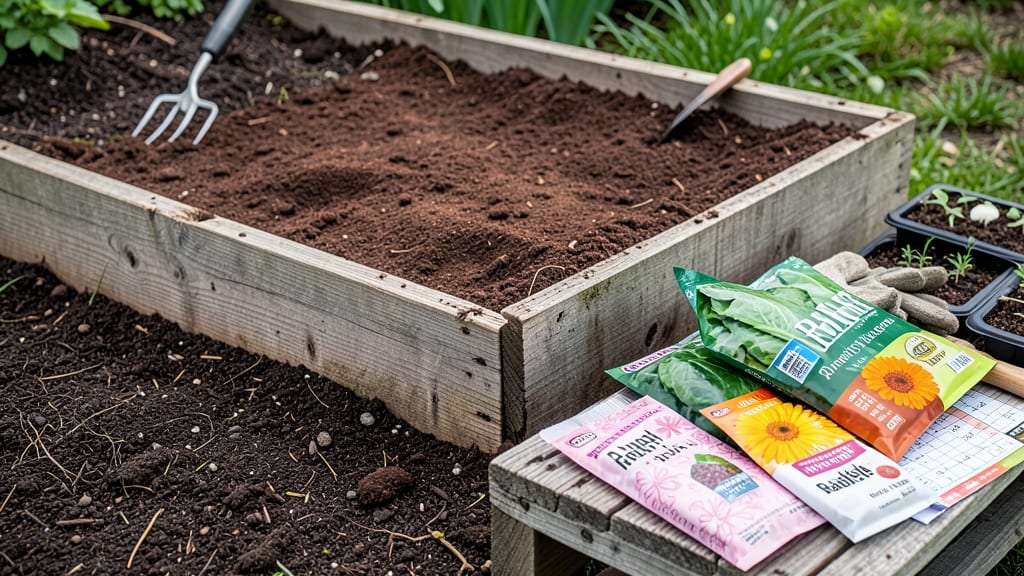
Planting a garden in New Brunswick works best when you align your schedule with the region’s last frost dates and microclimates — a misstep can mean lost seedlings or stunted harvests.
New Brunswick’s diverse climate—from coastal mildness to inland cold snaps—means planting your garden at the wrong time can spell disaster for your harvest. But with the right county-specific timing, you’ll beat frost, maximize growth, and enjoy a thriving garden all season long.
In USDA Zone 5b, most gardeners wait until after April 15 for spring planting, but coastal areas like Saint John can start earlier, while inland zones near Fredericton need to push back until May 15.
Fall planting follows a similar rule: August 1 for coastal spots, but September 1 inland to avoid early frost.
Below, I break down the exact planting windows for your General Garden Vegetables (Spring/Fall) 🌱, how to adjust for microclimates, and the 3 key signs your soil is ready—so you can grow a garden that thrives, not just survives.
New Brunswick heat zones & county-specific planting timelines
New Brunswick spans USDA Hardiness Zones 3-7, creating dramatic differences in planting windows across just 150 miles. Coastal areas like Saint John (Zone 5b-6a) enjoy 3-4 weeks earlier last frost dates than inland regions like Fredericton (Zone 4b-5a).
These variations mean your tomato seeds might thrive in Charlotte County by May 1, while Fredericton gardeners should wait until May 15 to avoid frost damage.
Understanding these county-specific timelines helps you match cool-season crops (like peas and spinach) with warm-season plants (tomatoes, peppers) to their ideal planting windows.
The last spring frost typically arrives between May 10-25, while the first fall frost hits September 20-October 10, depending on elevation and proximity to the Bay of Fundy.
Here’s how to navigate New Brunswick’s microclimates—from the mild coastal zones to the shorter growing seasons inland—with a county-by-county breakdown of when to plant your garden for maximum success.
For cool-season crops like kale, spinach, and peas, start seeds indoors 4-6 weeks before your last frost date. In Zone 6a (Charlotte County), this means sowing by April 1, while Zone 4a (Madawaska) gardeners should wait until April 15.
Direct-sow hardy greens like lettuce and radishes as soon as soil is workable—typically 2-3 weeks before last frost.
Warm-season crops such as
Microclimate rules: how elevation, water, and urban heat affect planting
Ever notice your neighbor’s tomatoes ripening a week before yours? That’s likely due to microclimates—localized conditions that create entirely different growing zones within just a few blocks.
In New Brunswick, these variations can shift planting windows by 2-3 weeks, making all the difference between a bountiful harvest and a frost-nipped failure. Understanding these factors lets you adjust planting dates and plant selections to match your specific conditions.
Three key factors dominate microclimates: elevation changes, urban heat islands, and soil moisture retention. A hilltop garden in Saint John might experience earlier spring warmth than a valley garden in Fredericton, while a city plot surrounded by pavement could stay 5°F warmer than rural areas.
Even water sources like ponds or streams create humidity pockets that delay frost formation. Let’s break down how each affects your planting strategy.
⚠️ WARNING: Microclimate Misjudgments Can Ruin Your Season
Planting warm-season crops like tomatoes or peppers too early in a frost pocket (common in low-lying areas) guarantees wilted seedlings. Conversely, cool-season crops planted too late in a heat island (like downtown Saint John) may bolt before producing. Use these rules to adjust:
- Frost pockets: Delay planting by 1-2 weeks for heat-loving crops
- Urban heat zones: Plant heat-sensitive crops (e.g., lettuce) 2 weeks earlier
- Moisture-rich areas: Choose drought-tolerant varieties to prevent rot
Pro Tip: Monitor your spot for 3 years to track local frost dates and heat patterns.
Start by assessing your garden’s elevation profile. Even a 10-foot rise can create a 5°F temperature difference compared to lower areas. In New Brunswick’s USDA Zone 5b, hilltops often warm up 7-10 days earlier in spring, while valleys hold frost longer.
Use this to your advantage: plant cool-season crops like kale or peas in lower areas first (around April 15), then move heat-lovers like tomatoes or peppers to hills after May 15.
Urban gardens face a different challenge: asphalt and concrete absorb and radiate heat, creating micro heat islands that can push temperatures up to 10°F higher than rural areas. This means earlier planting for warm-season crops but risks bolting in lettuce or spinach if planted too soon.
Solution: opt for heat-tolerant varieties (like ‘Black Seeded Simpson’ lettuce) and use shade cloth during peak summer heat to protect delicate greens.
Water plays a hidden but critical role. Areas near ponds, streams, or boggy soil retain moisture longer, delaying frost formation by 1-2 weeks in fall. These spots are ideal for late-season crops like broccoli or cabbage, which you can plant as late as August 15 in these microclimates.
Conversely, sandy or well-drained soils dry out faster, requiring drought-resistant plants like zucchini or Swiss chard that thrive with less water.
Putting it all together: If your garden sits in a sunken area near water, adjust your fall planting by 10 days later than general guidelines. For urban plots, start warm-season crops 2 weeks earlier but monitor for heat stress.
The key is observation—track when your local forsythia blooms (a reliable frost indicator) and use that as your planting cue rather than calendar dates.
With these microclimate rules, you’ll outsmart New Brunswick’s unpredictable growing conditions and enjoy a longer, more productive harvest—no matter where your garden sits. 🌱