
Planting
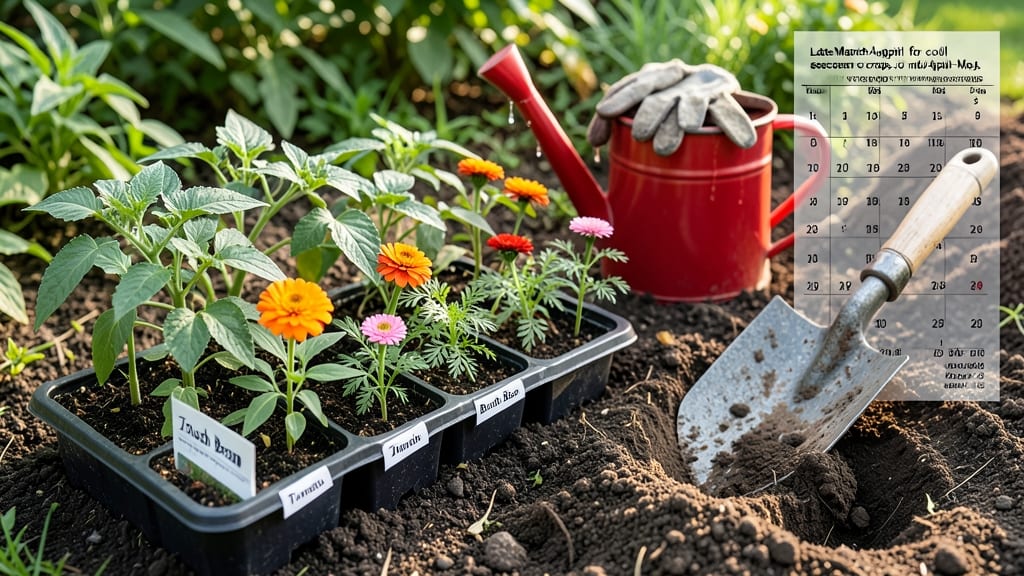
Planting a garden in Virginia at the right time means the difference between a bountiful harvest and a wasted season—and the clock starts the moment the soil thaws.
Virginia’s unpredictable spring weather can turn your gardening dreams into a guessing game unless you know the exact last frost dates for each crop type. Plant too early, and a surprise freeze could wipe out weeks of work; too late, and you’ll miss peak harvest season.
This guide breaks down Virginia’s frost zones—from the Piedmont’s rolling hills to the Tidewater’s coastal breezes—so you can time your cool-season crops like spinach and broccoli, then shift to warm-season favorites like tomatoes and peppers without a hitch.
You’ll learn how to read soil temperatures, adjust for microclimates, and even extend your growing season with row covers and cold frames—all backed by Virginia Cooperative Extension data for 2024 and beyond.
Virginia’s last frost dates by region: when to plant cool-season crops
Virginia’s cool-season crops like spinach and broccoli thrive when planted after the last frost, but timing varies dramatically across the state. The Tidewater region (eastern VA) averages its last frost March 15–April 1, while the Shenandoah Valley (western VA) often waits until April 15–May 1.
These differences mean a 3-week gap in planting windows—critical for avoiding frost damage. The Virginia Cooperative Extension tracks these dates annually, and their 2024 forecast suggests slightly earlier springs due to warming trends.
For spinach and peas, which tolerate light frosts, you can plant 2–4 weeks before your region’s last frost date. However, broccoli and lettuce need warmer soil (at least 40°F) to germinate well.
My Piedmont garden (Zone 7a) typically waits until April 10 for these heat-sensitive crops, while my friend in Southside Virginia (Zone 7b) plants 10 days earlier thanks to milder winters.
Microclimates add another layer of complexity. A south-facing slope warms up faster than a north-facing valley, potentially shifting your planting window by 1–2 weeks. Urban areas like Richmond often experience heat islands, delaying frosts by 3–5 days compared to rural areas.
To account for this, I always monitor local weather stations (like those at Virginia Tech) and adjust my schedule accordingly.
Here’s the 2024 forecast from Virginia Cooperative Extension, broken down by region. Use these as your baseline dates, then fine-tune based on your yard’s specific conditions:
| Region | Last Avg. Frost | Spinach | Broccoli | Peas | Lettuce |
|---|---|---|---|---|---|
| Tidewater (Norfolk, VA Beach) | March 15–April 1 | March 1–15 | March 20–April 1 | Feb 28–March 15 | March 10–25 |
| Piedmont (Richmond, Charlottesville) | April 1–15 | March 15–30 | April 1–10 | March 10–25 | March 20–April 5 |
| Shenandoah Valley (Staunton, Harrisonburg) | April 15–May 1 | March 30–April 15 | April 10–25 | March 20–April 5 | April 1–15 |
| Southside (Danville, Martinsville) | April 1–10 | March 15–30 | March 30–April 15 | March 10–25 | March 20–April 1 |
For spinach, which handles light frosts, I often start seeds indoors 4–6 weeks before the last frost date. This gives seedlings a head start, but I harden them off 10 days before transplanting to toughen their leaves
Warm-season planting schedule: tomatoes, peppers, and beyond
Virginia’s warm-season crops like tomatoes and peppers need consistent warmth to thrive—soil temperatures below 60°F will stall growth. Start planting only after your last frost date, but don’t wait too long—July plantings risk immature harvests before the first frost.
Use soil thermometers to confirm readiness: 60°F+ for tomatoes and 70°F+ for peppers.
Your planting window varies by Virginia region. Northern Virginia (USDA Zone 7a) has a shorter season, while Southside Virginia (Zone 7b-8a) enjoys 2-3 weeks longer. Check your local first frost dates—typically October 15-30—to calculate backward.
For example, if your first frost is October 20, plant tomatoes by July 1 for a full harvest.
Extend your harvest with succession planting.
For tomatoes, stagger plantings every 2 weeks until July 1—this ensures a continuous supply. Peppers benefit from early starts indoors (8-10 weeks before last frost) to compensate for their slow growth. Green beans thrive in two plantings: one in May and another in June, spaced 3-4 weeks apart.
Protect young plants from late frosts using row covers or cloches. Monitor nighttime temperatures—if they dip below 50°F, cover seedlings immediately. Black plastic mulch warms soil faster and can shave 2-3 weeks off your planting timeline for heat-loving crops like eggplants and okra, which need 80°F+ soil.
Don’t forget to harden off seedlings before transplanting. Acclimate them over 7-10 days by gradually exposing them to outdoor conditions. Morning watering reduces fungal risks, and mulching with straw keeps roots cool on hot days. With these strategies, you’ll maximize your Virginia garden’s warm-season potential—even in shorter growing windows.
🌱