
Planting
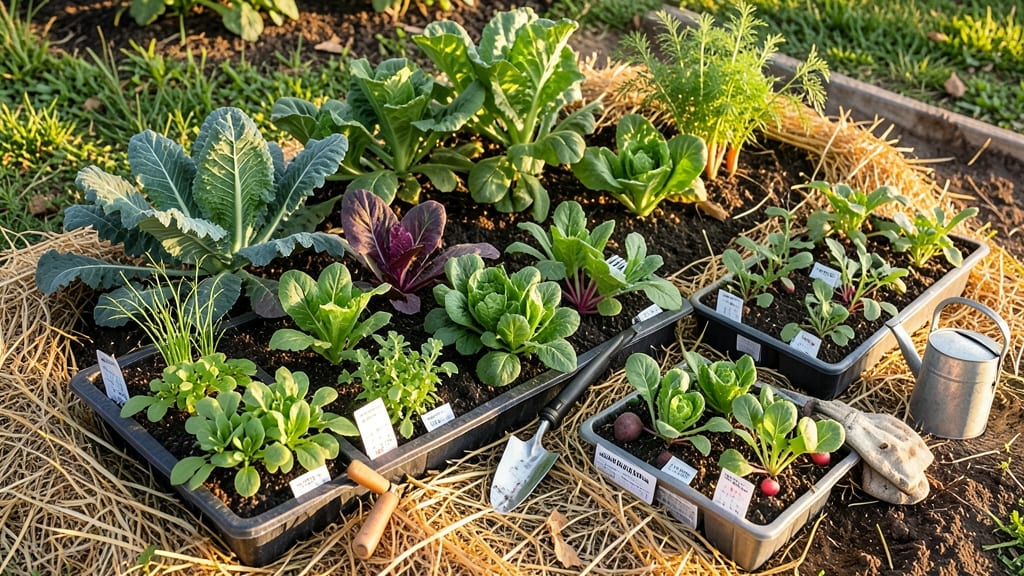
Planting a fall garden in South Texas means timing your crops to beat the heat and avoid late-season surprises—because the wrong window can leave you with wilted greens or stunted roots.
South Texas gardeners know the window between scorching summers and freezing winters is short—but mastering these exact planting dates can help you grow thriving 🌱 fall crops without frost damage.
Whether you're in the 9a-10a zones or along the coast, the key is starting 6-8 weeks before your first frost (or whenever that happens in your microclimate).
Most heat-sensitive greens like lettuce and spinach need cooler soil to thrive, which is why August and early September are the sweet spots for direct sowing. But root vegetables like carrots and radishes? They can handle a little more summer heat if planted early enough.
Below, I’ll break down the exact dates for your region, the crops that perform best, and how to adjust for coastal vs. inland microclimates—so you can harvest fresh greens and hearty roots straight through December.
South Texas fall planting calendar: exact dates by crop type
South Texas’s long growing season means you can enjoy fresh fall crops year-round—but timing is everything. Heat-tolerant varieties like kale and collards thrive when planted before late summer’s extreme heat, while lettuce and spinach need cooler temperatures to avoid bolting.
Below is your exact planting schedule for USDA zones 8a-9b, including last-safe dates to avoid frost damage in northern areas.
Coastal regions (like Corpus Christi) can plant later, but inland areas (San Antonio, Austin) should start earlier to avoid 90°F+ soil temperatures, which stunt seed germination. Succession planting every 2 weeks extends harvests until December. For example, radishes mature in 25 days, while broccoli takes 70+ days—so plan accordingly.
Use this heat-tolerance guide to pick varieties: Black Seeded Simpson lettuce handles 85°F better than Buttercrunch, while Tendersweet onions thrive in 90°F+ soil. Always water deeply before planting to cool the soil.
| Crop Type | Planting Window (Zones 8a-9b) | Last Safe Date | Heat Threshold (°F) | Notes |
|---|---|---|---|---|
| Leafy Greens (Lettuce, Spinach, Kale) | Aug 15–Sep 15 | Sep 30 (North) / Oct 15 (Coastal) | 85°F (max soil temp) | Use heat-tolerant varieties like 'Black Seeded Simpson'. |
| Root Vegetables (Carrots, Radishes, Beets) | Aug 1–Sep 20 | Oct 10 (North) / Oct 30 (Coastal) | 90°F (soil) | Loosen soil to prevent forked carrots. Radishes ready in 25 days. |
| Cole Crops (Broccoli, Cauliflower, Cabbage) | Aug 1–Sep 10 | Sep 25 (North) / Oct 10 (Coastal) | 80°F (air temp) | Start seeds indoors for head starts. 'Waltham 29' broccoli handles heat. |
| Herbs (Cilantro, Dill, Parsley) | Aug 10–Sep 20 | Oct 5 (North) / Oct 20 (Coastal) | 88°F (max) | Cilantro bolts fast—harvest leaves before flowering. |
| Peas & Beans (Green Beans, Snap Peas) | Sep 1–Oct 1 | Oct 15 (North) / Nov 1 (Coastal) | 75°F (ideal) | Use trellises to save space. 'Contender' beans resist heat. |
For coastal South Texas (e.g., Brownsville, Harlingen), extend deadlines by 2–3 weeks due to milder nights. Inland areas (San Antonio, Waco) face hotter soil, so prioritize shade cloth for seedlings. Succession plant fast growers like radishes and lettuce every 10–14 days for continuous harvests.
Pro tip: Test soil moisture before planting—dry soil in September can delay germination. Aim for 1–2 inches of water per week, delivered in the early morning to prevent fungal diseases. Mulch with straw to retain moisture and cool roots.
If you’re in Zone 9b (e.g., McAllen), you can push spinach and kale into early November, but monitor nighttime temps. A light frost (below 32°F) will damage tender greens, so have row covers ready. For Zone 8a (e.g., San Antonio), stop planting heat-sensitive crops by September 15.
Don’t overlook microclimates: A north-facing bed stays cooler than a south-facing one. Use this to your advantage—plant lettuce in shaded spots if September temps linger above 90°F. Drip irrigation keeps soil evenly moist without overhead water stress.
Finally, harvest before frost—even light frost ruins tender greens. Broccoli and cauliflower can tolerate 28°F
How to extend your fall garden season without frost damage
South Texas’s unpredictable fall weather swings from 90°F heat waves to sudden 40°F chills—making frost protection a must. The key to extending your harvest lies in combining cold-hardy varieties with smart season-extending tactics.
My top strategies? Start with succession planting of heat-tolerant greens like collards and kale, then layer in protective barriers like floating row covers when temps dip below 50°F.
For inland areas (Zones 8a-9a), I’ve found black plastic mulch raises soil temps by 5-10°F—critical for warm-season crops like broccoli and carrots. Coastal gardeners (Zone 10a) can push harvests later with low tunnels, which trap heat during the day and insulate at night.
The secret? Monitor your microclimate—a backyard in San Antonio may frost 2 weeks earlier than one in Corpus Christi.
My go-to cold-hardy varieties for South Texas include ‘Winterbor’ kale (tolerates 20°F) and ‘Texas Blue’ collards, which sweetens in cold weather. For root crops, plant ‘Danvers’ carrots by mid-September—they’ll mature before hard frosts hit North Texas.
Pro tip: Use a soil thermometer to confirm temps stay above 55°F for germination.
For succession planting, stagger lettuce and radish seeds every 2 weeks from August through October. This ensures a steady harvest while older plants mature. Pair this with drip irrigation on a timer—consistent moisture prevents bolting from temperature fluctuations or drought stress.
When nighttime temps drop below 45°F, deploy floating row covers (made of lightweight polyester) to trap heat. Secure edges with bricks or soil to prevent wind damage. For extreme protection, add a clear plastic dome over individual plants—this can add 10-15°F of warmth during light frosts.
Don’t overlook mulching! A 4-inch layer of straw insulates soil and retains moisture. In my Zone 9a garden, this delayed broccoli harvests by 3 weeks last November. Pair mulch with compost tea to boost soil microbes—healthier roots mean hardier plants in cold snaps.
Finally, harvest strategically. Pick leafy greens before temps hit 32°F, and root crops when tops yellow—signs they’re redirecting energy to storage. With these tactics, I’ve pushed harvests into December in South Texas without frost damage.
The secret? Start early, monitor daily, and adapt fast—just like the weather does.