
Planting
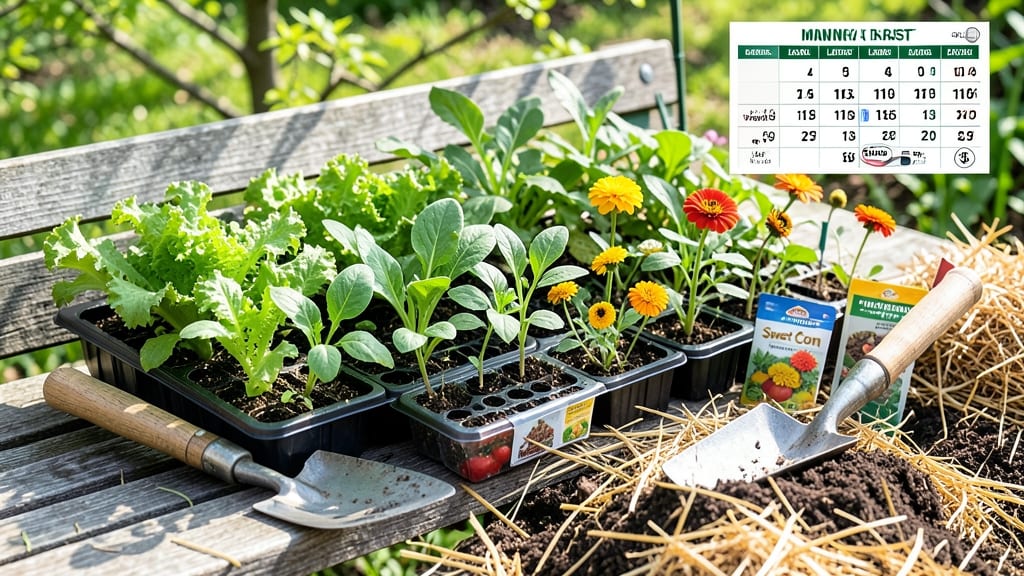
Planting your garden in Indiana at the right time means the difference between a bountiful harvest and seeds that never sprout.
Indiana’s unpredictable frost dates can turn a gardener’s excitement into frustration—but knowing the exact planting windows for each crop means the difference between a thriving harvest and wasted seeds. Whether you’re planting cool-season veggies like lettuce or warm-season favorites like tomatoes, timing is everything.
With USDA Zones 5b-6a and frost-free dates that shift from April in the north to early March in the south, Indiana’s climate demands precision. Miss the window, and you risk stunted growth or lost plants entirely.
But get it right, and you’ll enjoy fresh produce from your garden all summer long.
In this guide, I’ll break down the best planting times for spring and fall, including crop-specific tips, soil prep, and how to adjust for Indiana’s microclimates. Let’s get those General Garden Plants 🌱 growing!
Indiana’s frost-free dates by region: key planting windows for 2024
Indiana’s gardening season hinges on frost dates that shift dramatically across its three USDA zones—Northern (Zone 5), Central (Zone 6), and Southern (Zone 7). In 2024, these dates will determine whether your tomatoes thrive or your peppers perish.
Northern Indiana’s last frost typically arrives around April 20-25, while Southern Indiana enjoys a later window of April 10-15. Central Indiana falls right in the middle, with April 15-20 as the critical cutoff.
For cool-season crops like spinach and kale, you can start sowing as early as mid-March in Southern Indiana, but wait until late March in Northern regions. Warm-season plants like corn and beans demand patience—wait until soil temperatures hit 60°F, usually 2-3 weeks after the last frost date.
Rural areas tend to have earlier frost-free dates than urban heat islands, so adjust accordingly.
Here’s a quick reference for Indiana’s 2024 frost-free windows by region, including adjustments for microclimates:
Urban gardeners in cities like Indianapolis or Fort Wayne may experience 2-3 days later frost dates due to the urban heat island effect. Conversely, rural areas like Southern Indiana’s Wabash Valley often see earlier frost-free dates. Always check local Purdue Extension updates for real-time adjustments.
For cool-season crops, aim to plant 4-6 weeks before the last frost date. Lettuce and spinach can handle light frosts, while onions and garlic need early starts. Warm-season plants like tomatoes and peppers should wait until soil temperatures reach 60°F, typically 2-3 weeks after the last frost.
Use a soil thermometer to confirm—cold soil stunts growth.
Extend your growing season with row covers or cold frames to protect early plantings. In Northern Indiana, you might push cool-season crops until late May, while Southern Indiana can enjoy fall plantings until mid-September. Always monitor 7-day forecasts—a late frost can devastate young seedlings.
Pro tip: Succession planting works wonders in Indiana’s short season. Sow bush beans every 2 weeks from May to July for a continuous harvest. Similarly, radishes mature in 30 days, making them perfect for quick turnarounds.
Adjust your schedule based on your region’s frost dates to maximize your garden’s potential.
Don’t forget fall planting! Many cool-season crops thrive when sown in August or early September. Kale, carrots, and broccoli often taste sweeter after a light frost. In Southern Indiana, you can even plant garlic in October for next year’s harvest.
Indiana’s frost dates create a 100-day window for warm-season crops in Northern regions and a 120-day window in the South. Plan accordingly—fast-maturing varieties
Best crops to plant in Indiana by month: a month-by-month guide
Indiana’s variable climate demands precise timing for planting—miss the window, and your tomatoes or peppers might bolt before harvest. But with the right schedule, you can enjoy fresh lettuce in spring, beans all summer, and even kale into fall.
The key? Aligning your planting with Indiana’s USDA Zones 5b-6a and adjusting for your specific region’s frost dates.
For cool-season crops like spinach and peas, start indoors or under row covers 4-6 weeks before your last frost date (typically mid-April in Northern Indiana). Warm-season crops, such as tomatoes and squash, need to wait until soil temperatures hit 60°F—usually late May or early June.
Below, I’ve broken down the best crops to plant each month, including succession planting tips to keep your harvests rolling.
- March: Start cool-season crops indoors (lettuce, spinach) and plant onion sets outdoors. Soil temps must be 40°F+.
- April: Direct-sow peas, radishes, and carrots 2-3 weeks before last frost. Transplant broccoli and cabbage seedlings.
- May: Plant warm-season crops like tomatoes and peppers after last frost (soil 60°F+). Succession-sow beans every 2 weeks.
- June: Direct-sow cucumbers, squash, and corn. Harvest early lettuce and replant with bush beans.
- July: Start fall crops like kale and spinach indoors. Succession-plant radishes for late harvests.
- August: Plant cool-hardy crops (turnips, beets) outdoors. Transplant broccoli for fall harvest.
- September: Direct-sow garlic and onion sets for next year. Harvest remaining tomatoes and peppers before frost.
Indiana’s fall planting is often overlooked, but it’s a game-changer for leafy greens and root vegetables. For example, kale and spinach thrive in cooler temps and can be harvested well into December with a little protection.
Start these seeds indoors in July and transplant outdoors in August for a head start.
Pro tip: Use Indiana-specific varieties like ‘Early Girl’ tomatoes (fast-maturing) or ‘Winterbor’ kale (cold-hardy). These are bred to handle our humid summers and chilly springs. Always amend your soil with compost before planting—Indiana’s clay-heavy soil benefits from organic matter to improve drainage.
For succession planting, focus on crops with short harvest windows like radishes (30 days) or bush beans (50 days). Plant new seeds every 2 weeks to ensure a continuous supply. This works especially well for lettuce and green onions, which bolt quickly in Indiana’s heat.
Don’t forget to monitor your garden’s microclimate. Urban areas may experience heat islands, while rural spots might have cooler pockets. Adjust planting times accordingly—sometimes just a few days can make the difference between a thriving plant and a failed crop.
With this schedule, you’ll maximize your harvest and make the most of Indiana’s growing season! 🌿