
Planting
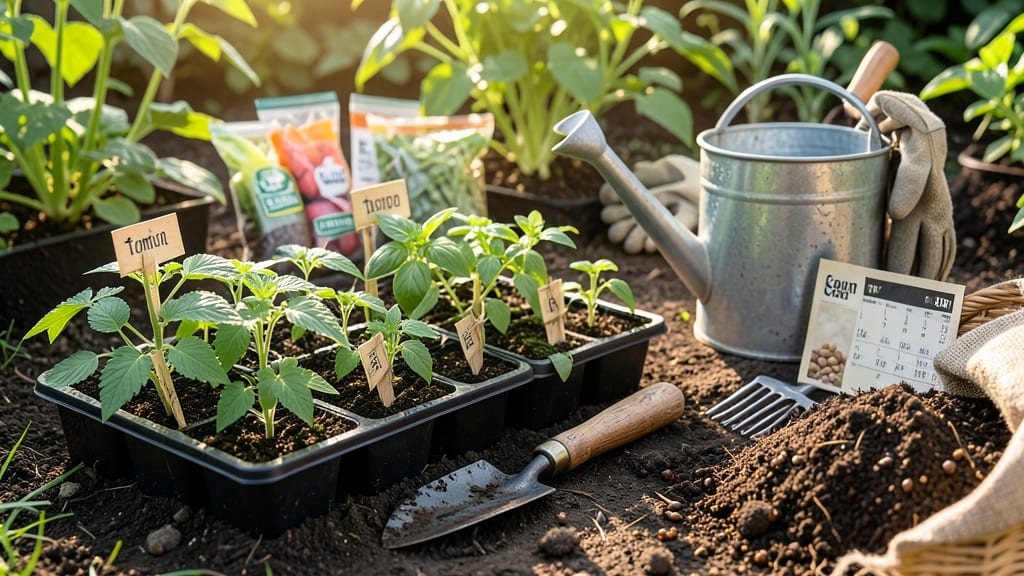
Planting your garden in Ohio at the right time means the difference between a bountiful harvest and a sad, frost-nipped disappointment 🌱 — and the window opens sooner than you think.
Ohio’s unpredictable frost dates can make or break your garden—plant too early and risk losing your hard work, too late and miss peak harvests. Timing is everything, and these frost-free deadlines by county will help you plan like a pro.
In USDA Zones 6a-6b, most gardeners can start cool-season crops like spinach and peas as early as late March, while warm-season favorites like tomatoes and peppers need to wait until after mid-April when the soil warms to at least 50°F.
Below, I’ll break down the exact planting windows for every crop, plus pro tips to adjust for Ohio’s microclimates—whether you’re in a city lot or a rural field.
Ohio’s frost-free deadlines by county: when to plant cool-season vs warm-season crops
Ohio’s frost dates vary dramatically by county, making precise timing critical for your garden’s success. Cool-season crops like spinach and peas thrive in spring’s chill, while warm-season crops such as tomatoes and peppers need soil temperatures above 60°F.
Missing these windows can mean lost harvests or stunted growth. Let’s break down the last spring frost and first fall frost dates by county, so you can plant with confidence.
Ohio spans USDA Zones 5b-6a, creating microclimates where northern counties (e.g., Ashtabula) may have 3-4 weeks later frost-free dates than southern counties (e.g., Lawrenceburg). For example, Cincinnati’s last frost typically arrives by April 15, while Toledo’s can linger until May 1.
These differences matter—planting tomatoes too early in northern Ohio risks frost damage, while lettuce planted late in southern Ohio may bolt in summer heat.
Pro Tip: Use row covers or cold frames to extend your growing season by 2-4 weeks in both spring and fall. For instance, peppers can often survive a light frost if protected, giving you an earlier start. Always check your local weather forecasts 1-2 weeks before planting to adjust for unpredictable late frosts.
If you’re in southern Ohio, like Lawrence County, you can start warm-season crops as early as March 10—ideal for early tomatoes or peppers. Meanwhile, northern Ohioans in Ashtabula County should wait until May 20 to avoid frost damage.
For cool-season crops, southern counties can plant spinach or peas as early as January 15 under row covers, while northern counties should wait until March 15.
Microclimates matter: Urban areas like Columbus often warm up faster than rural zones due to concrete heat absorption. If you’re in a city garden, you might plant 1-2 weeks earlier than rural guidelines suggest. Conversely, valleys or low-lying areas tend to hold frost longer—check with local gardening groups for neighborhood-specific tips.
For warm-season crops, always wait until soil temperatures reach 60°F+. Use a soil thermometer to confirm—black plastic mulch can warm soil by 5-10°F faster than bare earth. Peppers, for example, need consistent warmth and will struggle if planted too soon, even if frost isn’t imminent.
Fall planting follows the opposite logic: cool-season crops
Best planting calendar for Ohio gardens: month-by-month guide by crop type
Ohio’s growing season is short but sweet, so knowing exactly when to plant each crop can mean the difference between a bountiful harvest and a sad, wilted disappointment.
Whether you’re starting seeds indoors or direct-sowing outdoors, timing is everything—especially in Ohio’s USDA Zones 5-6, where frost can strike unexpectedly even in May.
To stretch your season, I’ve broken down the best planting months for Ohio’s most popular vegetables, herbs, and flowers, including when to start seeds inside for an early jump. I’ll also share my top soil-warming tricks to coax warmer temperatures for heat-loving plants like tomatoes and peppers.
📅 Ohio Planting Timeline by Crop Type
- 🌱 Early Spring (March-April): Start cool-season crops indoors like broccoli, cabbage, and lettuce. Direct-sow peas and spinach as soon as soil is workable (around mid-April in most counties).
- ☀️ Late Spring (May): Plant warm-season veggies like tomatoes, peppers, and cucumbers after last frost (use black plastic mulch to warm soil 2-3 weeks earlier). Start herbs like basil and cilantro from seed.
- 🌿 Summer (June-July): Direct-sow heat-tolerant crops like beans, corn, and okra. Succession plant lettuce and spinach for fall harvests. Transplant flowering annuals like marigolds and zinnias.
- 🍂 Early Fall (August-September): Plant cool-season crops for fall harvests—kale, carrots, and radishes. Start onion sets and garlic for next year. Protect tender plants with row covers as temps drop.
- 🍁 Late Fall (October): Sow cover crops like clover or winter rye to protect soil. Plant hardy perennials like asparagus and rhubarb for spring growth.
For warm-season crops, I swear by soil warming techniques like laying down black plastic mulch 2-3 weeks before planting. This can add 5-10°F to soil temperature, helping tomatoes and peppers thrive even if air temps are chilly.
Just remember to remove the mulch once plants are established to prevent overheating.
Herbs like basil and cilantro are finicky about timing—cilantro bolts in heat, while basil wilts in cold. I plant cilantro in early spring and fall and save basil for late May through July, often growing it in containers so I can move it to shade if needed.
For flowers, marigolds and zinnias are my go-tos for summer color, while pansies and snapdragons shine in cooler months.
Don’t forget about succession planting! For example, sow lettuce every 2 weeks from April through August to ensure a steady supply. And if you love green beans, plant two varieties—one in early June and another in mid-July—for back-to-back harvests.
With these Ohio-specific tips, you’ll maximize your garden’s potential and enjoy fresh produce from May through October.
Pro tip: Keep a garden journal to track what works best in your microclimate. Note when frost hits (or misses!) your area, and adjust future planting dates accordingly. Happy gardening! 🌱