
Tools
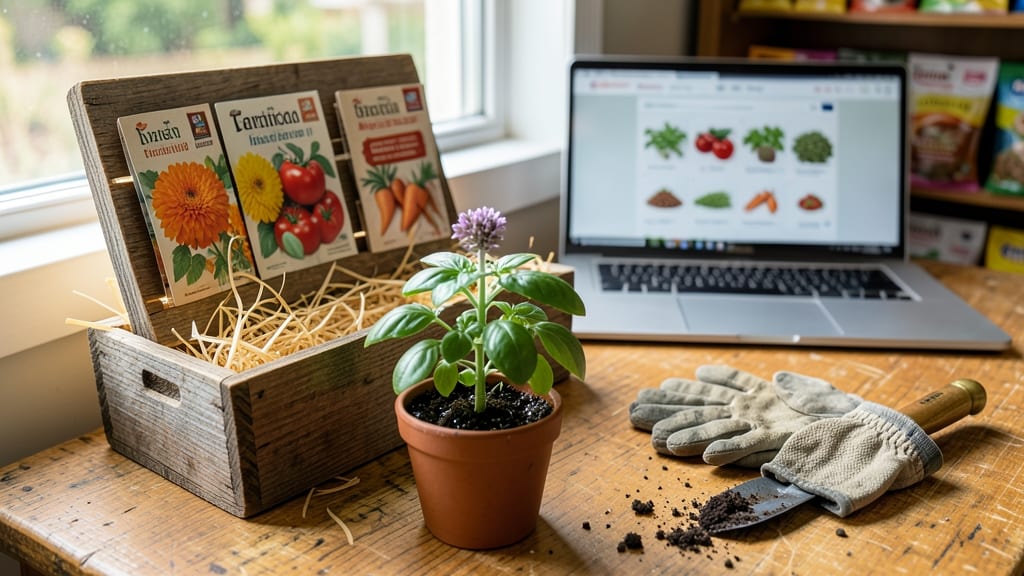
Where to buy garden seeds depends on your needs: for specialty varieties, reputable online retailers like Burpee, Baker Creek Heirloom Seeds, or Johnny’s Selected Seeds offer curated collections, while local garden centers provide fresh stock and expert advice. Budget shoppers can explore Amazon, Etsy, or seed swaps, and organic gardeners should check High Mowing Seeds or Horizon Herbs for certified organic options.
Your seed-buying strategy should align with what you're growing. 🌱 Online stores excel for rare or heirloom seeds, where you'll find detailed growing guides and often better germination rates than big-box stores.
Local nurseries, on the other hand, let you see seed packets in person and ask questions about regional suitability—critical for climate-specific plants. I always recommend cross-checking reviews on platforms like Gardeners.com before purchasing, especially for high-value seeds, as this helps avoid mislabeled varieties or poor germination issues.
One often-overlooked factor is seed freshness—especially for perennials or slow-germinating varieties. Many online retailers list pack dates on their websites, while local stores frequently restock seasonal seeds, giving you fresher options for spring planting.
For bulk purchases, consider joining seed swap groups or attending local gardening expos where you can often find discounted packets from trusted growers.
💡 In This Article
- Best Online Seed Retailers for Variety and Quality
- Local vs. Online Seed Shopping: Pros and Cons
Best online seed retailers for variety and quality
Online seed retailers stand out for their curated collections and specialized expertise. For example, Baker Creek Heirloom Seeds offers over 1,500 varieties of non-GMO, open-pollinated seeds, many of which trace back to pre-1940s heritage.
Their detailed growing guides include historical context and regional planting tips, which is invaluable for gardeners seeking unique flavors or heirloom tomatoes like 'Brandywine' or 'Cherokee Purple'.
The germination rates for their seeds typically exceed 90%, thanks to their rigorous quality control and storage at 32-40°F to preserve viability.
Organic growers will find High Mowing Seeds particularly useful, as they specialize in certified organic seeds with rigorous testing for purity and viability. Their USDA Organic label ensures no synthetic pesticides or GMOs are used during production, and they offer detailed soil preparation guides tailored to organic gardening methods.
Another standout is Seed Savers Exchange, a nonprofit that preserves rare and endangered plant varieties—think 19th-century apple seeds or heirloom corn—with a focus on biodiversity. Their catalog includes seeds that are often impossible to find elsewhere, making them a treasure trove for collectors and preservationists.
Shipping speed and packaging also set top retailers apart. Johnny’s Selected Seeds, for instance, guarantees 95% germination rates and ships seeds in moisture-resistant packets with desiccant packs to prevent mold during transit.
Their website even includes a climate zone finder to help gardeners select region-appropriate varieties, reducing the risk of failed crops. Meanwhile, Burpee stands out for its beginner-friendly approach, offering step-by-step planting charts and video tutorials, which is perfect for new gardeners who need extra guidance.
For budget-conscious shoppers, platforms like Etsy and Amazon provide bulk options at lower price points, though quality can vary. On Etsy, small-scale seed sellers often offer custom blends or rare varieties, such as unusual flower seeds or exotic vegetable starts, with handwritten notes on growing tips.
Amazon, however, requires careful vetting—stick to sellers with 4.5+ star ratings and detailed product descriptions, as counterfeit or mislabeled seeds are a common issue. Always cross-reference with reviews mentioning germination success rates.
One lesser-known advantage of online retailers is their access to limited-edition seeds, such as those from Seed Savers Exchange’s annual yearbook or Territorial Seed Company’s rare varieties.
These often include seeds with unique traits, like heat-resistant peppers or drought-tolerant herbs, which are perfect for gardeners facing specific climate challenges. For example, their 'Amarillo' pepper seeds are prized for their ability to thrive in 90°F+ temperatures, a trait that’s hard to find in mainstream stores.
Finally, consider subscription services like The Seed Swap or Baker Creek’s Seed Club, which offer monthly deliveries of seasonal or themed seeds (e.g., "Heirloom Tomatoes" or "Pollinator-Friendly Flowers"). These services not only save you time but also introduce you to new varieties you might not have considered.
The subscription model also encourages gardeners to experiment with different crops each season, fostering creativity and adaptability in their gardening practices.