
Planting
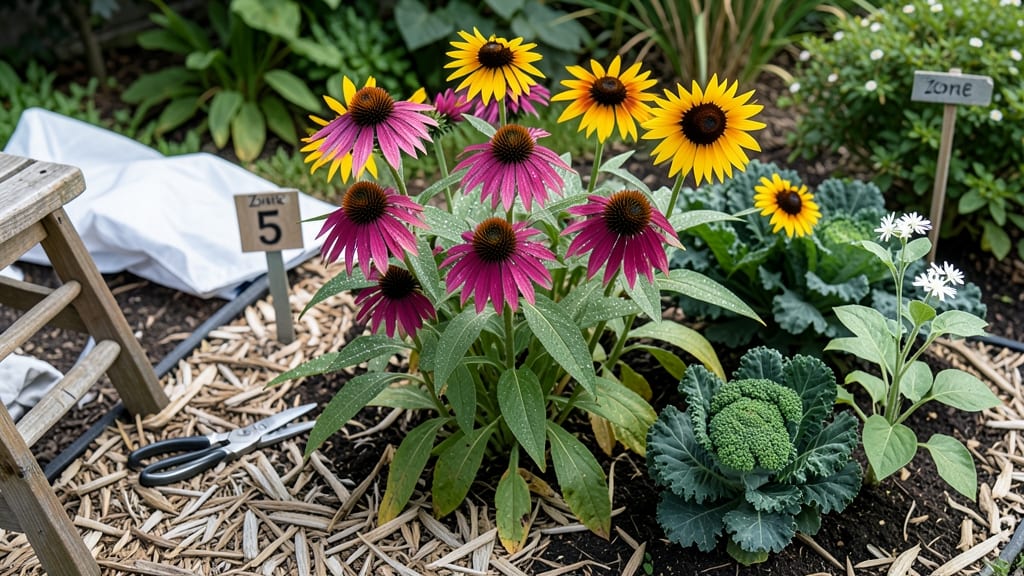
Zone 5 gardening thrives in areas with average winter lows of -15°F to -20°F, where cold-hardy perennials, biennials, and strategic seasonal planning maximize yields. Focus on frost-tolerant crops like kale, broccoli, and potatoes while adjusting planting timelines to avoid early frosts and late heatwaves.
This region—spanning from the Midwest to the Northeast—lets you grow a surprising variety of vegetables and flowers despite its cold winters. 🌱 The key is selecting plants bred to withstand freezing temperatures, like Swiss chard or hardy herbs such as thyme, while using row covers or mulch to protect tender seedlings.
Many gardeners in Zone 5 also take advantage of early spring planting for fast-maturing crops like radishes or spinach, then transition to heat-loving tomatoes and peppers after the last frost date.
What sets Zone 5 apart is its ability to support both cool-season and warm-season crops in the same year, with careful timing. For example, you might plant peas in early spring, harvest them before summer heat arrives, then replant with beans or cucumbers in their place.
This approach ensures your garden stays productive even when the growing season feels short.
💡 In This Article
- Understanding Zone 5 Plant Hardiness and Microclimates
- Seasonal Zone 5 Gardening Calendar: When to Plant, Grow, and Harvest
Understanding Zone 5 plant hardiness and microclimates
The USDA Zone 5 classification represents regions where winter temperatures typically dip between -15°F and -20°F. This zone spans from the Midwest to the Northeast, where plants must endure freezing temperatures but also benefit from moderate summers.
The classification system accounts for average annual minimum temperatures over a 30-year period, providing gardeners with a reliable framework for selecting cold-hardy varieties.
Unlike warmer zones, Zone 5 plants undergo a biological process called cold acclimation, where they produce protective compounds like sugars and proteins to prevent cellular damage during frost.
Microclimates play a crucial role in Zone 5 gardening success. A south-facing slope, for example, can warm up 5-10°F faster than a north-facing area, creating ideal conditions for heat-loving crops like tomatoes or peppers.
Urban environments often experience urban heat islands, where pavement and buildings trap heat, allowing gardeners to grow slightly more tender plants than rural areas. Conversely, low-lying areas or shaded spots may remain colder longer, requiring extra protection for frost-sensitive seedlings.
Understanding these variations helps gardeners strategically place plants for optimal growth.
Perennials in Zone 5 have evolved unique survival strategies. Plants like asparagus and rhubarb develop deep root systems that insulate against freezing, while others like coneflowers produce antifreeze proteins that prevent ice crystal formation in their cells.
Annuals, however, must be replanted each year after the first frost, with some varieties (like kale) actually becoming sweeter after exposure to cold temperatures—a phenomenon called vernalization. This process triggers flowering in biennials like carrots and onions, ensuring they produce edible shoots the following season.
For gardeners working with limited space or challenging conditions, microclimates offer creative solutions. A simple cold frame (a transparent cover over plants) can extend the growing season by 4-6 weeks in both spring and fall, while windbreaks made of evergreen shrubs protect tender plants from drying winter winds.
Even container gardening becomes viable in Zone 5 when using insulated pots and moving them to sheltered locations during extreme cold snaps. These adaptations allow gardeners to push the boundaries of what's possible in colder climates.
One common misconception is that all Zone 5 plants require heavy winter protection. In reality, many native species—like wild bergamot or black-eyed Susans—thrive with minimal intervention, their deep roots and woody stems providing natural insulation.
The key is selecting plants that match your specific microclimate conditions rather than assuming a one-size-fits-all approach. For instance, potatoes planted in well-drained soil can withstand freezing temperatures better than squash, which often needs mulching to prevent rot.
When choosing plants, consider their hardiness ratings—a number that indicates the coldest temperature they can tolerate. For example, broccoli (Zone 3-9) handles Zone 5 winters easily, while eggplants (Zone 6-11) require careful protection or container growing.
The USDA map provides a starting point, but local observations and trial-and-error often refine what truly thrives in your specific corner of Zone 5. 🌿