
Planting
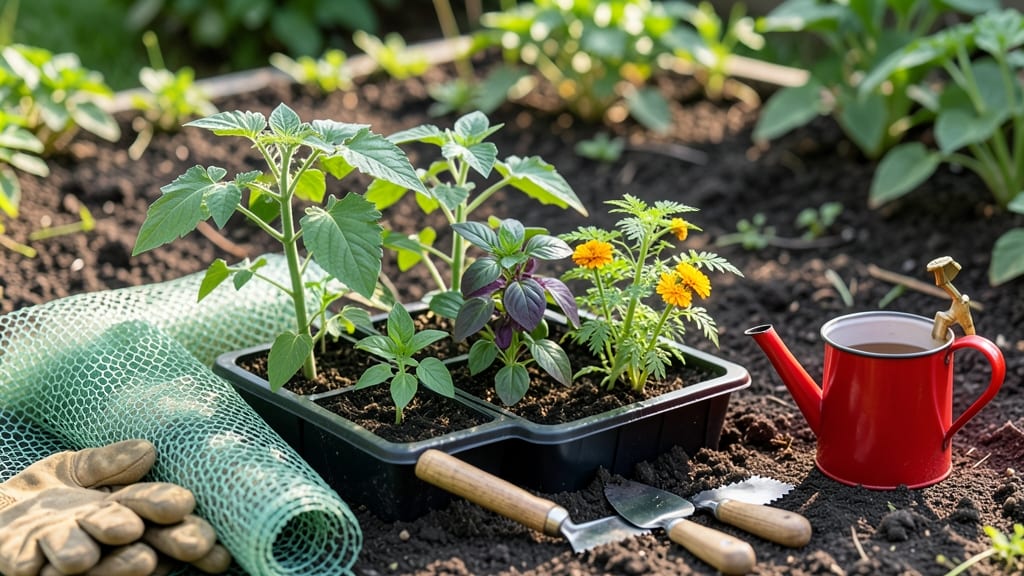
Selecting the right garden and plant mesh depends on your specific protection needs: opt for fine mesh to block tiny pests like aphids, medium mesh to allow beneficial insects such as butterflies while keeping out larger bugs, and heavy-duty mesh to deter animals like deer or rabbits. The mesh material—whether polyester, nylon, or metal—also affects how long it lasts and how well it lets air and light through.
Choosing the right garden and plant mesh isn't just about size—it's about balancing protection with your plants' needs. 🌿 Fine mesh (0.5mm holes) stops aphids and mites but may trap too much moisture, while medium mesh (1-2mm) lets pollinators through while blocking beetles.
For larger threats like deer, heavy-duty mesh with 3mm+ holes works best but requires sturdier materials like galvanized metal. I always recommend testing mesh durability in your climate, as UV exposure and wind can weaken synthetic fibers over time.
Material choice matters just as much as hole size. Polyester offers good UV resistance and flexibility, making it ideal for temporary covers, while nylon provides superior strength but may degrade faster in sunlight. Metal mesh, though pricier, lasts decades and resists chewing pests entirely.
For delicate flowers or young seedlings, lightweight mesh is perfect, but for vegetable gardens facing rabbit attacks, you'll need something more robust.
💡 In This Article
- How Different Mesh Sizes Protect Plants from Pests
- Best Garden Mesh Types for Specific Plant Protection Needs
How different mesh sizes protect plants from pests
The science behind mesh protection lies in how hole size and material weave interact with pest anatomy. Tiny pests like aphids (1mm long) require mesh with 0.5mm holes or smaller to prevent entry, while larger insects such as beetles (10-15mm) need 2mm holes or wider.
The weave pattern—whether square, hexagonal, or diamond—also matters: tighter weaves create more surface friction that traps smaller pests. For example, a 0.6mm hexagonal mesh blocks 95% of aphids but still allows 3mm butterflies to pass through unhindered.
Pollinators like bees and butterflies have body widths typically between 3-6mm, so medium mesh with 1-2mm holes strikes the perfect balance. This size range lets beneficial insects through while excluding harmful pests like tomato hornworms (40mm long) or cabbage moths.
The key is understanding that mesh doesn't just block pests—it creates an ecosystem where beneficial insects can still access flowers for pollination while protecting vulnerable plants. For instance, a 1.5mm mesh allows honeybees (4mm wide) to work your zucchini flowers while keeping squash bugs at bay.
Material thickness plays a crucial role in wind resistance and UV protection. Thin polyester mesh (0.1mm thickness) flutters easily in 15mph winds, potentially tearing, while heavier nylon (0.25mm) stands firm up to 30mph.
Metal mesh, though rigid, offers unmatched durability but can overheat delicate plants in direct sunlight—its reflective properties actually increase ambient temperatures by 5-10°F under full sun. For long-term use, I recommend UV-stabilized polyester for most climates, as it maintains 80%+ of its strength after 2 years of exposure.
Here's what happens when you get the size wrong: Using 3mm mesh for aphid control lets 80% of them through, while 0.3mm mesh for deer protection creates a suffocating microclimate that traps moisture and promotes fungal growth.
The ideal mesh size should be 25-30% smaller than your target pest's body width. For example, to block 5mm cabbage worms, use 1.25mm mesh—not 2mm, which would let many through.
Consider this practical example: In my vegetable garden, I use 1mm hexagonal mesh over tomato plants to block whiteflies while allowing 4mm honeybees access. The mesh's tight weave creates a physical barrier that whiteflies can't navigate, while the open structure lets bees pass through without getting trapped.
This same principle applies to flower gardens—1.5mm mesh protects roses from Japanese beetles while still permitting pollinators. The secret is matching the mesh to your specific pest threats while maintaining ecological balance.
For permanent installations, add 10-15% extra material to account for stretching—especially with nylon—which can elongate by up to 5% under tension. Always secure mesh tightly to prevent gaps where pests can enter. In windy areas, use heavier-duty staples or a concrete anchor system to prevent flapping that can damage plants.
The right mesh creates an invisible shield that protects without sacrificing your garden's natural ecosystem.