
Aphids
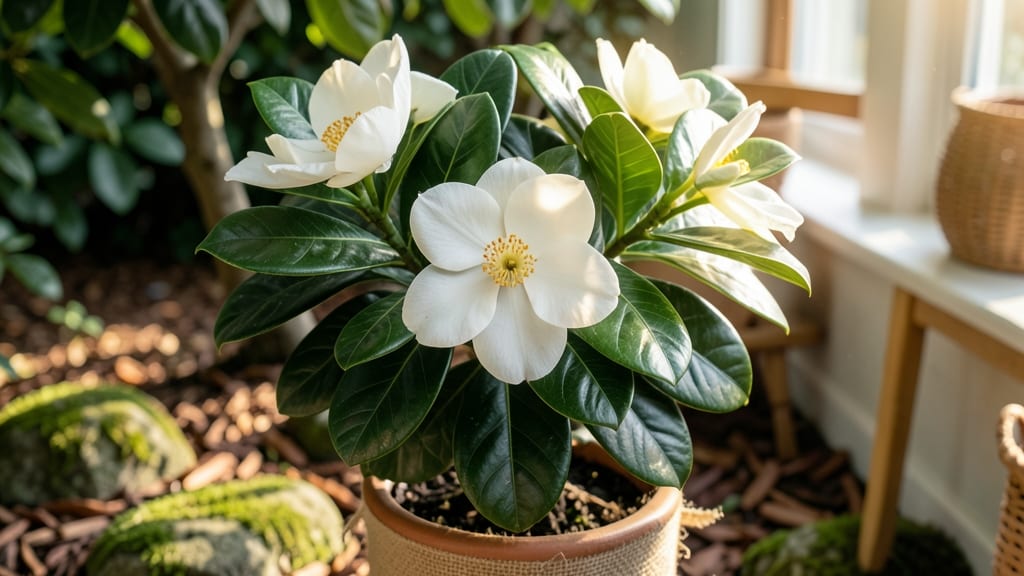
Gardenia plants grow best in different ways whether kept indoors or outdoors, both needing bright indirect light and high humidity, though outdoor plants handle stronger sunlight and cooler evenings better than their indoor counterparts.
Gardenia plants are famously finicky, but understanding their environmental needs makes all the difference.
Indoors, they demand consistent bright indirect light—think east-facing windows or grow lights—and struggle with dry air from heating systems. 🌿 Outdoors, they bask in morning sun but retreat from harsh afternoon rays, thriving in 60-75°F temperatures with cooler nights. The key?
Mimic their native tropical habitat by maintaining humidity levels above 50% and using well-draining soil to prevent root rot. I’ve seen gardenias wilt dramatically when moved from outdoor shade to a dim indoor corner, so gradual adjustments are crucial.
For indoor gardenias, varieties like 'Kleim’s Hardy' are your best bet—they’re compact and tolerate lower light better. Outdoors, 'Radicans' handles heat and humidity with ease, but both need regular pruning to encourage blooming.
The biggest mistake? Overwatering—gardenia roots hate soggy soil. Whether inside or out, these fragrant beauties reward patience with stunning white blooms.
💡 In This Article
- Key Differences in Light, Temperature, and Humidity Needs
- Best Gardenia Varieties for Indoor vs Outdoor Gardens
Key differences in light, temperature, and humidity needs
Indoor gardenias rely on artificial light supplementation because most homes can't replicate their native tropical conditions.
These plants need 12-14 hours of bright indirect light daily, which translates to 4,000-6,000 foot-candles of illumination—similar to the light levels found under a canopy in their natural habitat. 💫 Without this, leaves yellow and buds fail to open.
Fluorescent grow lights placed 12-18 inches above the plant can bridge the gap, but natural east-facing windows still provide the best spectrum for photosynthesis. The key difference? Indoor plants experience consistent light levels year-round, while outdoor plants adapt to seasonal light variations.
Temperature fluctuations create the biggest challenge for indoor gardenias. These tropical natives prefer 65-75°F days and 55-65°F nights, but indoor heating systems often push temperatures above 80°F—a stress trigger that causes leaf drop.
Outdoors, plants naturally cool down at night, which helps regulate growth hormones. 🌿 Another critical factor is humidity: indoor air typically sits at 30-40% relative humidity, while gardenias need 50-70%+. This is why you'll see indoor gardenias developing brown leaf edges—a classic sign of desiccation.
Outdoors, morning dew and afternoon showers maintain ideal moisture levels automatically.
The biggest mistake gardeners make is assuming "more light is better." Direct sunlight—even outdoors—can cause sunburn on gardenia leaves, creating white or yellow patches that look like disease. I've seen outdoor plants develop these spots when moved from shade to full sun too quickly. 🔥 The solution?
Acclimate outdoor plants gradually by moving them to sunnier spots for 1-2 hours daily before full exposure. Indoors, avoid placing plants near south-facing windows where UV intensity peaks at 12,000-15,000 foot-candles during summer afternoons.
Seasonal adjustments are where indoor and outdoor care diverge most dramatically. Outdoor gardenias enter dormancy in winter when temperatures drop below 50°F, while indoor plants remain in active growth—requiring consistent care.
This is why indoor gardenias often bloom year-round (if conditions are perfect), while outdoor plants have distinct spring/summer flowering seasons. The trade-off? Outdoor plants develop stronger root systems from seasonal temperature swings, making them more resilient to occasional neglect.
Humidity control represents the single most overlooked factor in gardenia care. Indoor plants benefit from pebble trays filled with water and gravel, or even a small humidifier running near the plant.
Outdoors, you can create microclimates by planting near water features or under trees that provide dappled shade. 🌿 The critical threshold is 50% humidity—below this, gardenias start dropping buds before they open, a phenomenon called "bud blast." This is particularly problematic in winter when indoor heating systems run continuously.
For both indoor and outdoor gardenias, the soil's moisture retention capacity becomes a critical variable. Well-draining soil mixes should contain 30-40% perlite or orchid bark to prevent root rot while maintaining moisture. The key difference?
Outdoor plants develop deeper root systems that can access groundwater, while indoor plants rely entirely on container drainage. This is why container-grown gardenias need watering every 5-7 days in summer, while outdoor plants may go 10-14 days between waterings during rainy seasons.