
Planting
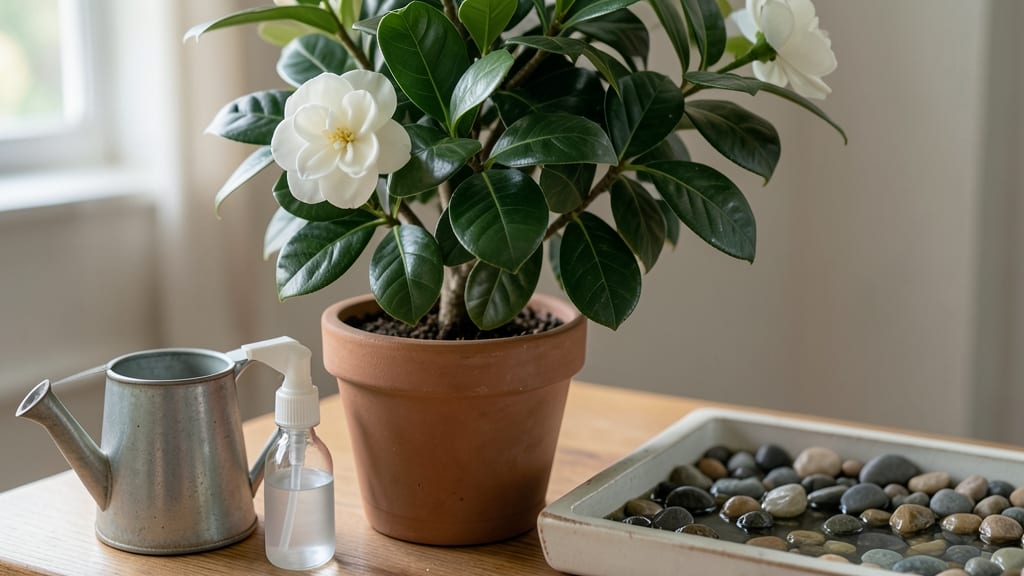
This gardenia plant indoor benefits include air purification by absorbing harmful VOCs like benzene and formaldehyde, emitting soothing floral scents that reduce cortisol levels, and maintaining optimal humidity for respiratory health. Their lush foliage also creates a serene indoor atmosphere while promoting focus through natural biophilic elements.
The gardenia plant's indoor benefits go beyond aesthetics—these tropical beauties act like nature's air purifiers, thanks to their waxy leaves that capture airborne toxins. 🌿 Studies show they're particularly effective at breaking down common household pollutants found in paints and cleaning products.
Beyond air quality, their sweet fragrance—often compared to jasmine—has been clinically shown to lower stress hormones, making them perfect for home offices or bedrooms. The humidity boost they provide can also help with dry skin and allergies during winter months.
What makes gardenias unique is their dual functionality—they're not just decorative but actively improve your living space. For example, NASA's Clean Air Study ranked them among the top plants for removing indoor air toxins, while their visual appeal creates a calming environment that many compare to a mini spa retreat.
The key to maximizing these benefits? Mimicking their natural tropical habitat with bright indirect light and consistent moisture.
💡 In This Article
- How Gardenia Plants Clean Indoor Air
- Creating the Perfect Indoor Environment for Gardenia Growth
How gardenia plants clean indoor air
Gardenia plants act like tiny air scrubbers thanks to their unique leaf structure and natural biochemical processes. Their thick, waxy leaves create a physical barrier that traps airborne particles, while their roots and foliage actively absorb volatile organic compounds (VOCs) through a process called phytoremediation.
Studies from NASA's Clean Air Study show gardenias can effectively neutralize common household toxins like benzene (found in adhesives) and formaldehyde (emitted by furniture) by breaking them down into harmless byproducts through photosynthesis.
The waxy coating on gardenia leaves contains specialized compounds called cuticular waxes that repel water and dust while creating microscopic pores where VOC molecules get trapped.
This natural filtration system works best in moderate temperatures (65-75°F) and humidity levels above 50%, which is why indoor gardenias thrive in bathrooms or kitchens. 🌿 Compared to spider plants (which excel at removing carbon monoxide) or peace lilies (better for ammonia), gardenias have a unique advantage in targeting the specific VOCs released by synthetic building materials and cleaning products.
What makes this purification process particularly effective is the plant's dual-action system: while the leaves trap particles, the roots actively absorb and metabolize harmful gases through their vascular system.
The process begins when VOC molecules diffuse through the leaf pores, where enzymes in the plant's cells break them down into simpler compounds that can be used for growth.
This natural detoxification happens continuously, making gardenias one of the most efficient indoor air purifiers for modern homes with their sealed windows and synthetic furnishings.
The fragrance you love isn't just pleasant—it's part of the purification process too. Gardenias release volatile organic compounds of their own (like linalool and geraniol) that have been shown to mask and neutralize unpleasant odors while creating a calming atmosphere.
These same compounds also contribute to the plant's ability to break down other VOCs in the air, creating a self-sustaining purification cycle. The scent isn't just decorative; it's functional, working in tandem with the physical air filtration.
For maximum air purification benefits, place your gardenia in a well-trafficked area where it can process more air volume daily. A single mature gardenia plant can cleanse the air in a 100-200 square foot space effectively, making it ideal for bedrooms or living rooms.
The key is maintaining consistent care—proper watering (keeping soil moist but not soggy) and occasional pruning to encourage new growth where the purification happens most actively.
What most people don't realize is that gardenias work best when paired with other air-purifying plants. For example, combining them with snake plants (which release oxygen at night) creates a 24-hour purification system. The gardenia handles VOCs during the day while the snake plant maintains oxygen levels overnight.
This synergy is why many modern indoor gardens feature multiple plant species working together for comprehensive air quality improvement.