
Advice
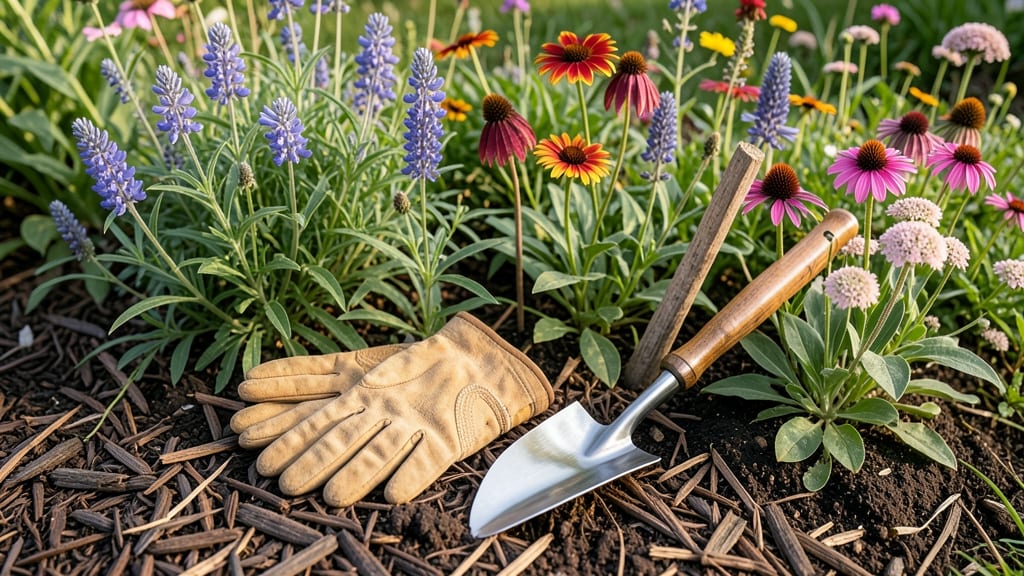
High Country Gardens Nursery offers expertly curated drought-tolerant plants like lavender, sedum, and Russian sage, designed for water-wise landscapes that require minimal maintenance. Their region-specific selections thrive in arid climates with little irrigation once established, delivering both sustainability and beauty to outdoor spaces.
This specialty nursery stands out because their plants are bred or selected specifically for water efficiency—many feature deep root systems that access moisture deep underground and waxy leaves that reduce evaporation. 🌵 Their care guides include precise watering schedules (often as little as once every 1-2 weeks after establishment) and soil amendments that improve moisture retention.
What I love most is how they pair native species with adapted varieties to create resilient landscapes that look stunning while conserving resources.
For home gardeners, their top performers like 'Autumn Joy' sedum and 'Blackfoot Tonique' penstemon deliver year-round interest with almost no watering needs. The nursery's planting guides even include spacing diagrams to prevent competition for moisture—a detail most other sources overlook.
Whether you're designing a full xeriscape or just adding drought-proof accents, their plants deliver both practicality and curb appeal.
💡 In This Article
- Why High Country Gardens Plants Excel in Drought Conditions
- Top 10 Drought-Proof Plants from High Country Gardens and How to Use Them
Why High Country Gardens plants excel in drought conditions
High Country Gardens plants thrive in arid conditions thanks to their botanical adaptations that minimize water loss.
Many species develop deep taproots (often reaching 3-6 feet underground) to access moisture stored in lower soil layers, while others have thick, waxy leaf coatings that reduce evaporation by up to 40% compared to standard garden plants.
For example, their Russian sage (Perovskia atriplicifolia) has silvery-gray foliage that reflects sunlight, lowering leaf temperatures by 5-10°F during peak afternoon heat.
The nursery's selection process prioritizes drought-resistant genetics through rigorous testing. Plants must survive 30-60 days without supplemental water during trials before being approved.
This means species like 'Autumn Joy' sedum can go months between waterings once established, while its roots spread horizontally to capture rainwater efficiently. 🌵 Their native species (like penstemon) also benefit from centuries of evolution in dry climates, developing natural stress tolerance mechanisms that store water in succulent stems or leaves.
What sets their plants apart is the soil-plant interaction they engineer. Many varieties thrive in well-draining, rocky soils common to arid regions, where they avoid competition for moisture. The nursery recommends mulching with gravel or decomposed granite (instead of organic mulch) to prevent soil moisture loss while maintaining ideal temperatures.
This approach mirrors natural desert ecosystems where plants grow in mineral-rich, water-scarce environments.
Another key advantage is their seasonal adaptation. Many High Country Gardens plants enter dormancy during extreme heat, slowing metabolic processes to conserve water. For instance, yarrow (Achillea) varieties curl their leaves during droughts, reducing surface area exposed to dry winds.
This biological strategy allows them to "wait out" dry spells without permanent damage—something most ornamental plants can't do.
Consider the water-saving math: A mature Russian sage bush might need only 2 gallons of water per week after the first year, compared to 15-20 gallons for a traditional rose bush.
The nursery's plant spacing guides further optimize water use by preventing plants from competing for moisture—something critical in drought-prone regions where every drop counts.
For gardeners, this means less time watering and more time enjoying your landscape. The plants' resilience also reduces fertilizer needs since they're adapted to lean soils, creating a self-sustaining ecosystem that requires minimal intervention. 💧 This is why their designs consistently appear in water-wise certification programs across the western U.S.