
Tools
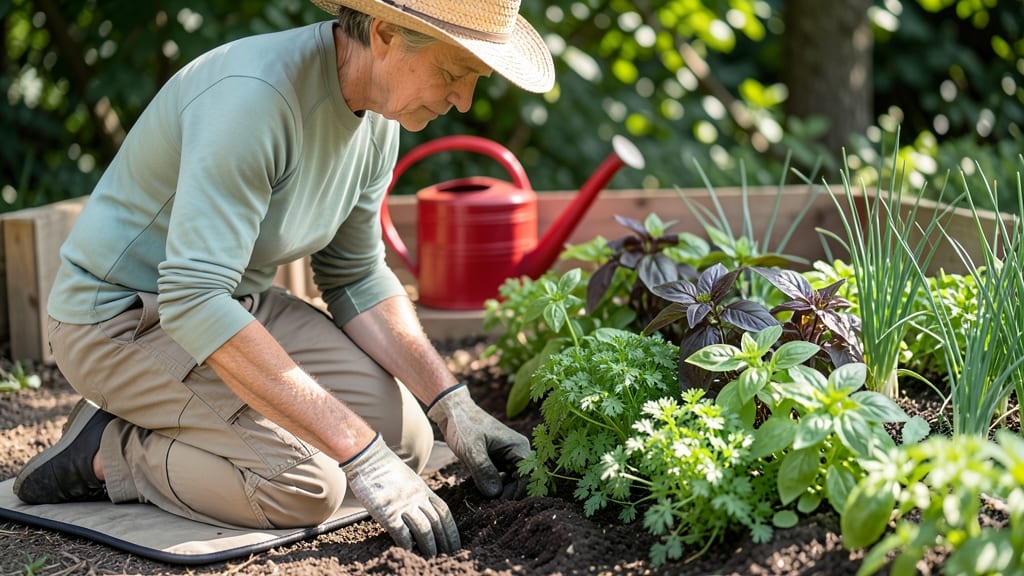
Gardening is good exercise because it engages multiple muscle groups, burns 200–400 calories per hour, and improves flexibility while offering low-impact cardiovascular benefits—especially when digging, lifting, or weeding for extended periods.
If you've ever spent an hour pulling weeds or hauling bags of soil, you already know gardening isn't just about growing plants—it's a full-body workout disguised as a hobby. 🌱 The repetitive motions of digging, bending, and reaching activate your core, legs, and arms simultaneously, while the variable resistance (like pushing through stubborn soil) mimics weight training.
Studies show that even light gardening can burn calories comparable to brisk walking, but with the added bonus of improving joint mobility and coordination.
The key is consistency—think of it as your own personal interval training, where every task becomes a chance to build strength and endurance without ever stepping foot in a gym.
What makes gardening particularly effective is how it naturally incorporates functional movement—the kind that translates directly to everyday activities. Unlike isolated gym exercises, gardening forces you to stabilize your core while lifting, twist to reach plants, and balance on uneven ground.
This multi-planar motion works muscles in ways traditional cardio doesn't, making it a smarter choice for overall fitness. Plus, the mental benefits of being outdoors can turn your workout into a stress-relief session, which is a win-win for both body and mind.
💡 In This Article
- How Gardening Works as a Full-Body Workout
- Maximizing Exercise Benefits in Your Garden Routine
How gardening works as a full-body workout
Gardening transforms your yard into a functional fitness lab by engaging muscles in ways most workouts don't. When you dig, your glutes, hamstrings, and quads power the downward motion, while your core stabilizes to maintain balance—similar to a squat but with variable resistance from soil density.
Studies from the University of Utah found that digging burns 270-350 calories/hour, comparable to brisk walking but with 30% higher muscle activation in your lower back and shoulders.
The repetitive twisting motions of planting or weeding engage your obliques and rotator cuffs, while lifting bags of soil (typically 20-40 pounds) mimics resistance training.
Unlike gym weights, gardening tools add dynamic resistance—raking, for example, works your forearms and grip strength while your legs push through uneven terrain. This full-body activation explains why gardeners often notice improved posture and reduced back pain over time.
Flexibility gains come from the constant bending, stretching, and reaching motions. A 2018 study in BMC Public Health showed gardeners had 20% better range of motion in their hips and shoulders compared to sedentary adults, thanks to the varied movements.
The low-impact nature also makes it joint-friendly—ideal for those recovering from injuries or avoiding high-impact cardio like running.
What sets gardening apart is its cardio variability. Weeding at a steady pace burns calories like a moderate walk, but switching to shoveling (which can reach 400 calories/hour) turns it into interval training.
The irregular terrain forces your body to constantly adjust, engaging proprioceptive muscles that improve balance and coordination—something traditional gym routines often overlook.
Consider this comparison: A 30-minute gardening session (digging + planting) burns roughly the same calories as a 45-minute brisk walk, but with 40% more muscle engagement according to Harvard Health Publishing. The key difference?
Gardening works your stability muscles (like your deep core and ankles) while walking primarily targets large muscle groups. This is why gardeners often see faster improvements in functional strength for daily tasks.
For those tracking fitness metrics, gardening's heart rate variability (HRV) benefits are notable. The mix of aerobic and resistance elements creates a moderate-intensity workout that improves cardiovascular health without the monotony of steady-state cardio. Think of it as nature's circuit training, where each task becomes a different exercise station.