
Flowers
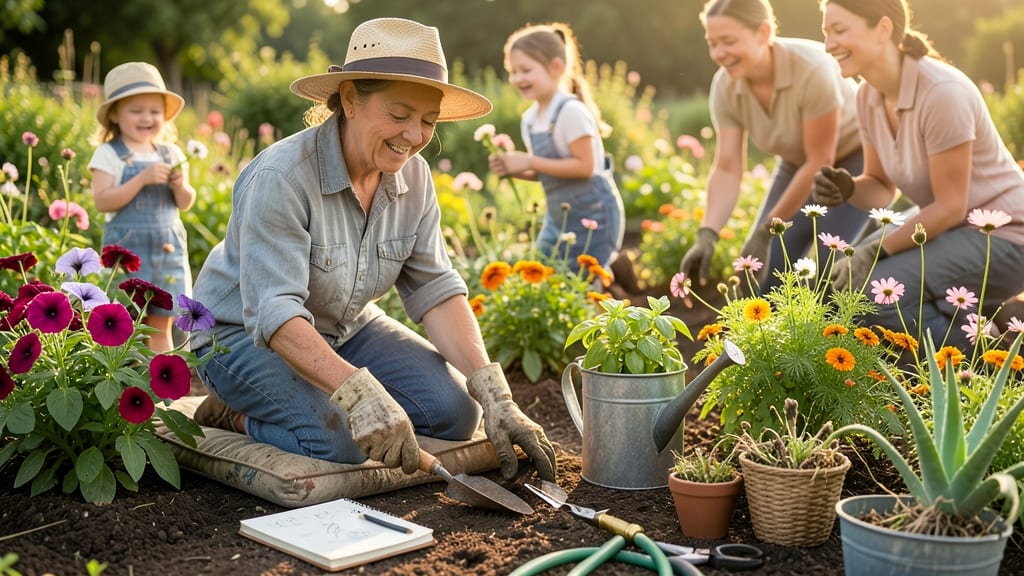
When people do flower gardening, they focus on seasonal tasks like soil preparation, planting seeds or bulbs, pruning dead growth, weeding, watering, fertilizing, and monitoring pests or diseases while ensuring proper sunlight exposure and drainage. Maintenance includes mulching, deadheading, and adjusting care as flowers bloom and mature.
What do people do while flower gardening?
It’s all about balancing active planting with ongoing maintenance—think of it like tending a living canvas where every season brings new priorities. 🌸 For example, spring is prime time for soil enrichment and transplanting, while summer shifts to pest prevention and regular deadheading to encourage more blooms.
I’ve found that climate plays a huge role: gardeners in Zone 5 might start bulbs indoors in winter, while those in Zone 9 can plant year-round.
The key is adapting techniques to your local growing conditions while keeping an eye on the big picture—like how mulching in summer preserves moisture but should be light enough to avoid suffocating roots.
Beyond the basics, tools make all the difference. A good pair of bypass pruners for clean cuts, a moisture meter to avoid overwatering, and even a simple magnifying glass for spotting pests early can save hours of frustration.
I always recommend keeping a gardening journal to track what works (and what doesn’t) each year—it’s amazing how small tweaks, like adjusting fertilizer ratios or rotating plant locations, can transform your garden’s health and beauty.
💡 In This Article
- Seasonal Flower Gardening Tasks Explained
- Essential Flower Plant Care Checklist
Seasonal flower gardening tasks explained
The rhythm of flower gardening shifts dramatically with each season, and understanding these cycles is key to success. In spring, gardeners focus on soil preparation by amending it with 2-4 inches of compost to replenish nutrients lost over winter.
This is when you plant annuals from seeds or transplants and divide perennials that may have crowded out.
The goal is to give plants a strong start—think of it like laying the foundation for a house. 🌱 For example, in Zone 6, tulip bulbs should be planted by mid-April, while in warmer Zone 9, you might wait until late February to avoid frost damage.
Summer transforms into a maintenance phase where watering becomes critical—most flowers need 1-1.5 inches of water per week, delivered either through rainfall or irrigation. Pruning takes center stage to remove spent blooms (deadheading) and encourage new growth.
I’ve noticed that roses, for instance, respond beautifully to a 10-15% trim after each bloom cycle, while herbs like lavender benefit from a light shearing to maintain their compact shape.
Summer is also when pests like aphids or Japanese beetles become active, so gardeners often turn to neem oil or insecticidal soap for organic control.
Fall is all about preparation for dormancy. Gardeners focus on mulching with 3-4 inches of shredded leaves or straw to insulate roots from freezing temperatures. This is also the time to plant fall-blooming bulbs like daffodils or crocuses, which need 6-8 weeks of chilling to flower properly in spring.
In colder climates (Zones 3-5), tender perennials may need wrapping or moving to protected areas. The key insight here is that fall tasks create the conditions for next year’s growth—like tucking your garden in for a cozy winter nap. 🌿
Winter’s role varies by climate. In mild regions (Zones 8-10), gardening continues year-round with minimal adjustments, while colder zones (3-5) focus on planning and protection. This is when gardeners study seed catalogs, order supplies, and even start seeds indoors under grow lights.
The science here is fascinating: many plants enter a state of dormancy where their metabolic processes slow dramatically, conserving energy until warmer temperatures return. For example, peonies can survive -30°F temperatures because their buds are protected below the soil line.
What most people don’t realize is how climate zones dictate these timelines. A gardener in Zone 4 might wait until after the last frost (typically mid-May) to plant warm-season flowers like zinnias, while someone in Zone 10 could plant them in early March.
The USDA Plant Hardiness Zone Map becomes your best friend for adjusting these seasonal tasks. For instance, in my own garden in Zone 7, I’ve learned to plant sweet peas in late February rather than waiting until spring, because our winters are mild enough to prevent seed rot. 🌸
The beauty of seasonal gardening lies in this cycle of renewal. Each task builds on the last—like how spring planting sets up summer blooms, which then feed fall pollinators, and whose seeds or bulbs prepare for next year’s growth.
It’s a living ecosystem where timing, climate, and plant biology all come together. The most successful gardeners I know treat their gardens like a living calendar, adjusting their approach year after year based on what they’ve learned from nature’s cues.