
Propagation
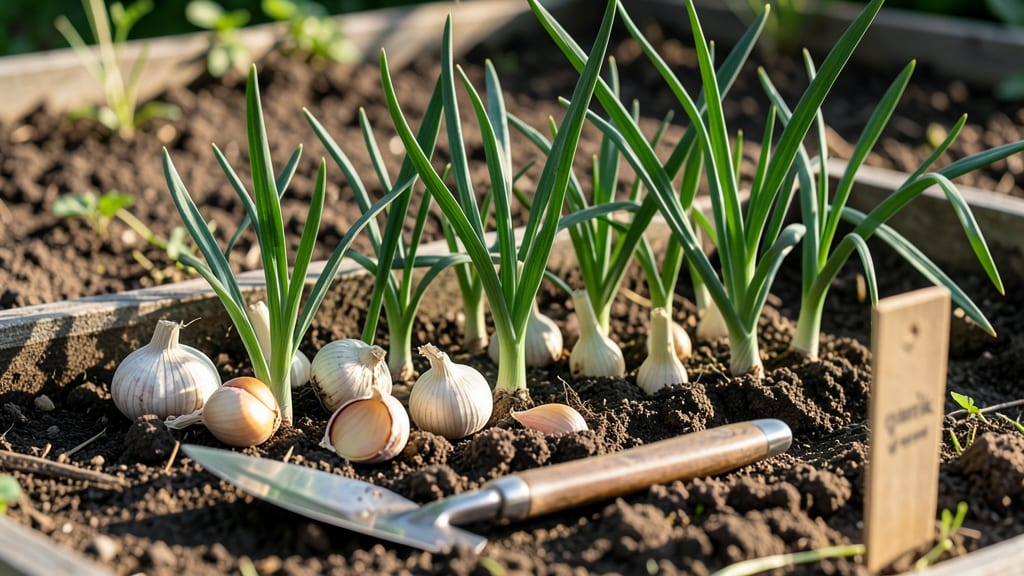
What keeps bunnies away from gardens most effectively is using a combination of pungent natural deterrents like crushed garlic, cayenne pepper, or predator urine, paired with physical barriers such as raised garden beds or sturdy fencing. Regular reapplication every few days ensures lasting protection.
Bunnies rely heavily on their keen sense of smell, so strong scents like sulfur in garlic or capsaicin in chili peppers create an unpleasant experience that drives them away. 🔥 Physical barriers work by eliminating easy access—raised beds or fencing force bunnies to jump or dig, which they avoid when safer options exist.
I've found that layering multiple methods (like placing garlic cloves around wire fencing) creates a stronger deterrent than relying on just one approach.
For example, a simple garlic spray (blended garlic + water) applied to garden edges can last up to a week, while predator urine (available at garden stores) mimics natural threats.
The key is persistence—bunnies will return if deterrents fade or barriers weaken, so check your defenses regularly after rain or heavy foot traffic.
💡 In This Article
- How Natural Bunny Repellents Work Against Garden Pests
- DIY Bunny-Proof Garden Solutions Using Household Items
How natural bunny repellents work against garden pests
Bunnies possess an olfactory system 10,000 times more sensitive than humans, making them hyper-aware of even faint chemical cues. When you apply garlic-based repellents, the sulfur compounds (like allicin) create a pungent aroma that triggers their avoidance instincts.
These compounds mimic the scent of predators, signaling danger without physical threat. 🔥 Similarly, capsaicin in chili peppers irritates their nasal passages, creating discomfort that bunnies associate with unsafe areas.
The effectiveness lies in how these repellents disrupt their natural foraging behavior. Bunnies typically graze in 3-5 minute intervals before moving to new locations. When they encounter unpleasant odors, they'll bypass your garden entirely, often traveling 50+ feet to find alternative food sources.
This is why concentrated applications along garden perimeters work best—it creates a scent barrier that's harder to bypass than scattered cloves.
Physical barriers complement scent deterrents by removing the temptation entirely. Bunnies prefer low-effort meals, so chicken wire buried 12 inches deep or raised beds eliminate their ability to dig under fences. The wire's sharp edges also deter them from chewing through.
What's fascinating is how this combination works synergistically: the scent repels them initially, while the barrier prevents them from returning even if the odor fades.
Seasonal variations affect repellent longevity. In hot, dry weather, garlic sprays evaporate faster (requiring 3-4 day reapplication), while in humid conditions, they may last up to 7 days.
Rain washes away natural oils, so always reapply after storms. The key is understanding that bunnies learn through repetition—consistent scent patterns train them to avoid your garden permanently.
For maximum impact, combine repellents with habitat modification. Planting strong-scented herbs like rosemary or lavender around garden edges creates a natural perimeter that bunnies instinctively avoid. These plants release volatile oils that further mask attractive garden aromas, making your vegetables less appealing targets. 💫
What most gardeners overlook is the psychological factor: bunnies are creatures of habit. If they repeatedly encounter unpleasant scents while searching for food, they'll develop a strong aversion to your property.
This learned behavior is why professional gardeners recommend rotating repellent types seasonally—it keeps the deterrents unpredictable and maintains their effectiveness over time.