
Container Gardens
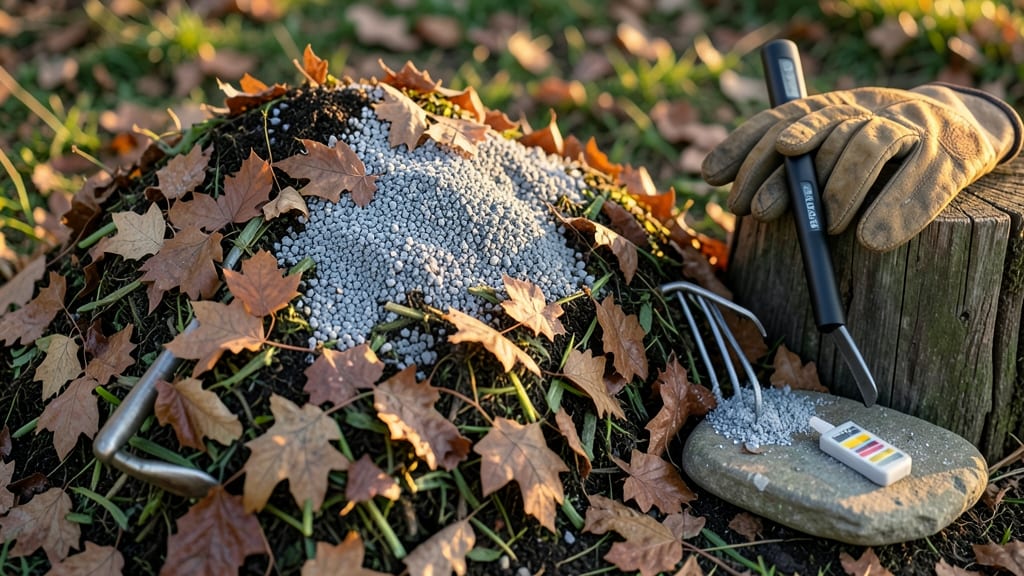
Wood ash in gardens boosts soil pH, naturally repels weeds, and delivers potassium along with calcium and magnesium, though excessive use can alter nutrient balance and harm acid-loving plants like blueberries.
Wood ash works by neutralizing acidic soil, creating an alkaline environment that discourages weed seeds from germinating while providing essential nutrients. 🌱 The potassium content helps strengthen plant stems, and trace minerals like calcium support cell structure—ideal for vegetables and flowering plants.
However, the sodium in ash can build up over time, so I recommend testing soil pH first and limiting applications to 1-2 pounds per 100 square feet in early spring or fall. Always keep it away from acid-loving plants like azaleas and rhododendrons.
For container gardens, I sprinkle a thin layer around the base of plants like tomatoes or peppers, mixing lightly into the top inch of soil. This targeted approach prevents overapplication while still delivering benefits.
Just remember: wood ash from treated lumber contains chemicals that can harm plants, so only use ash from untreated hardwoods like oak or maple.
💡 In This Article
- How Wood Ash Alters Soil Chemistry and Plant Health
- Best Practices for Applying Wood Ash in Gardens
How wood ash alters soil chemistry and plant health
Wood ash works as a natural soil amendment because it contains high levels of alkaline compounds, primarily potassium carbonate and calcium oxide. When sprinkled on soil, these compounds react with water to form potassium hydroxide and calcium hydroxide, both of which raise the soil's pH level.
This chemical process is what makes wood ash so effective for neutralizing acidic soil—think of it like adding a pinch of baking soda to a sour drink, but on a molecular level. 🔥 The resulting alkaline environment can shift soil pH from acidic (below 7.0) toward neutral or slightly alkaline (7.0-8.0), which is ideal for many vegetables and flowering plants.
The potassium content in wood ash—typically around 4-8% by weight—is one of its most valuable contributions. Potassium plays a crucial role in plant physiology by regulating water balance, activating enzymes, and strengthening cell walls, which helps plants resist diseases and environmental stresses.
For example, tomatoes and peppers, which thrive in slightly acidic to neutral soil, benefit from this potassium boost, often showing improved fruit set and disease resistance when wood ash is applied correctly. The ash also supplies trace minerals like calcium and magnesium, which support root development and overall plant vigor.
However, the sodium content in wood ash—around 1-3%—can become problematic with overuse. Excessive sodium can disrupt nutrient availability by displacing essential minerals like calcium and magnesium in the soil solution, leading to a condition called "nutrient lockout."
This is why I always recommend soil testing before applying wood ash, especially in regions with naturally high-sodium soils. Another risk is the potential for pH to become too alkaline, which can harm acid-loving plants like blueberries, azaleas, and rhododendrons.
These plants rely on acidic soil (pH 4.5-5.5) to access nutrients, and wood ash can push the pH too high, stunting their growth or even killing them.
One often-overlooked aspect is how wood ash affects soil microorganisms. While it provides nutrients, the sudden shift in pH can temporarily disrupt beneficial bacteria and fungi that thrive in specific pH ranges. For instance, mycorrhizal fungi, which form symbiotic relationships with plant roots, prefer slightly acidic to neutral conditions.
A dramatic pH increase can reduce their activity, indirectly affecting nutrient uptake. To mitigate this, I suggest applying wood ash gradually over time rather than all at once, allowing the soil ecosystem to adjust.
For container gardens, the effects are even more pronounced due to the limited soil volume. A 1/2-cup application in a 5-gallon pot can significantly alter pH and nutrient balance, so precise measurements are critical.
I've seen beginners accidentally create a "chemical cocktail" in their containers by adding too much ash, leading to nutrient imbalances or even plant death.
Always mix wood ash lightly into the top inch of soil rather than applying it as a surface layer, which helps distribute the benefits evenly while minimizing risks.
Finally, the physical texture of wood ash—fine, powdery, and slightly gritty—can improve soil structure by adding porosity. This helps with drainage and aeration, which is especially beneficial for heavy clay soils.
However, the gritty particles can also irritate sensitive skin or eyes, so wearing gloves and a mask when handling large quantities is wise. The ash's light gray color also makes it visible in the soil, so you can easily monitor application rates and distribution.