
Planting
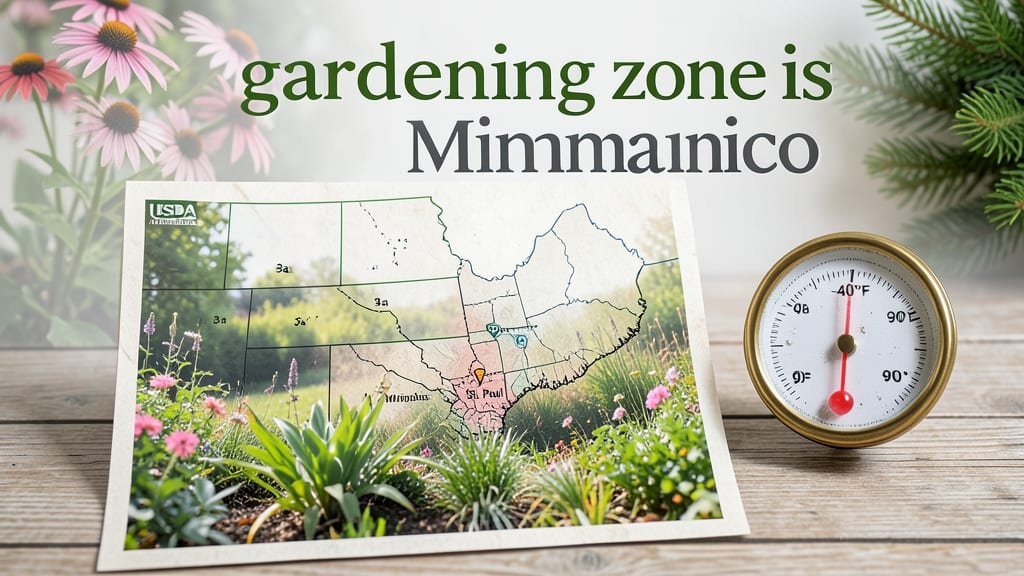
What gardening zone is Minnesota in? The state falls within USDA Plant Hardiness Zones 3 through 5, with northern areas typically in Zone 3, central regions in Zone 4, and southern counties often reaching Zone 5. These zones help gardeners predict frost timing and select plants that thrive in their specific climate conditions.
Understanding these zones is crucial because they reflect the average annual minimum temperatures plants can withstand. Zone 3 (northern Minnesota) experiences colder winters with average lows of -30°F to -40°F, while Zone 5 (southern Minnesota) sees milder winters around -10°F to -20°F. This temperature gradient explains why hardy perennials like coneflowers thrive in Zone 5 but may struggle in Zone 3 without winter protection. 🌱 For accurate planning, always check your specific zip code on the USDA's interactive map, as microclimates can create variations even within the same zone.
What's particularly useful about these zones is how they correlate with frost dates. Most of Minnesota's last spring frost occurs between May 10-25, while the first fall frost typically arrives between September 15-October 10, with northern areas freezing earlier.
This timing helps gardeners determine when to plant cool-season crops like spinach or when to protect tender plants before winter sets in.
💡 In This Article
- Minnesota’s USDA Zones Explained: How Climate Affects Plant Survival
- Best Plants for Minnesota’s Cold Zones: Zone-Specific Gardening Guide
Minnesota’s USDA zones explained: how climate affects plant survival
The USDA Plant Hardiness Zone Map divides Minnesota into three distinct zones based on average annual minimum temperatures. Zone 3 covers the northern third of the state, where winter lows typically range from -30°F to -40°F.
This extreme cold limits which plants can survive without protection. Zone 4 dominates central Minnesota, with average lows between -20°F and -30°F, creating a transitional climate where both northern hardy plants and more tender southern varieties can grow with proper planning.
Southern Minnesota's Zone 5 experiences milder winters, averaging -10°F to -20°F, allowing for a wider variety of plants that might struggle further north.
What makes these zones so important is how they correlate with plant survival rates. For example, a Zone 5 plant like peonies can handle Minnesota's southern winters, but the same plant would likely die back to the ground in Zone 3 without heavy mulching.
The 10°F difference between zones represents a significant survival threshold for many plants. This is why gardeners in northern Minnesota often choose plants labeled "Zone 3 hardy" while those in southern counties can experiment with Zone 4 or even Zone 5 varieties.
The transition between zones also creates microclimates where local topography and urban heat islands can create pockets of Zone 4 conditions even within Zone 3 areas.
Frost dates provide another critical layer to understanding these zones. Northern Minnesota's Zone 3 typically sees its last spring frost around May 20, while southern Zone 5 areas might experience frost as late as May 10.
This two-week difference affects planting schedules dramatically - cool-season crops like lettuce can be planted weeks earlier in the south than in the north.
Similarly, fall frost dates vary by 3-4 weeks between zones, with northern areas freezing by September 20 while southern regions might see frost as late as October 10. These variations explain why gardeners in different zones must adjust their planting calendars accordingly.
Cold snaps add another layer of complexity to Minnesota's gardening climate. While the USDA zones represent average minimum temperatures, sudden drops can push conditions 5-10°F colder than expected.
This is why gardeners in Zone 4 might experience temperatures that would kill Zone 4 plants if they dip below the zone's minimum. For instance, a -35°F cold snap in central Minnesota would stress even Zone 4 plants, demonstrating why winter protection like mulch or row covers becomes essential.
This variability is why many Minnesota gardeners err on the side of caution, choosing plants rated for one zone colder than their actual location.
Understanding these zone transitions helps explain why some plants thrive in one area but struggle just a few miles away. For example, Russian sage (a Zone 4 perennial) might survive winter in southern Minnesota but suffer damage in central areas during harsh winters.
Meanwhile, crabapple trees (Zone 3-4) can handle northern winters but may experience winter burn in Zone 5's milder conditions. These transitions create opportunities for gardeners to experiment with plants at the edges of their zones, though success often requires careful site selection and winter protection strategies.
One often-overlooked factor is how urban environments create microclimates that can shift effective zones. Cities like Minneapolis and St. Paul experience urban heat islands that can raise temperatures by 2-5°F compared to rural areas, effectively creating Zone 4 conditions where Zone 3 would be expected.
This urban warming effect allows gardeners in city centers to grow plants rated for slightly warmer zones than their official classification. Conversely, rural areas with good air circulation might experience colder conditions than predicted, requiring gardeners to choose even hardier varieties.