
Planting
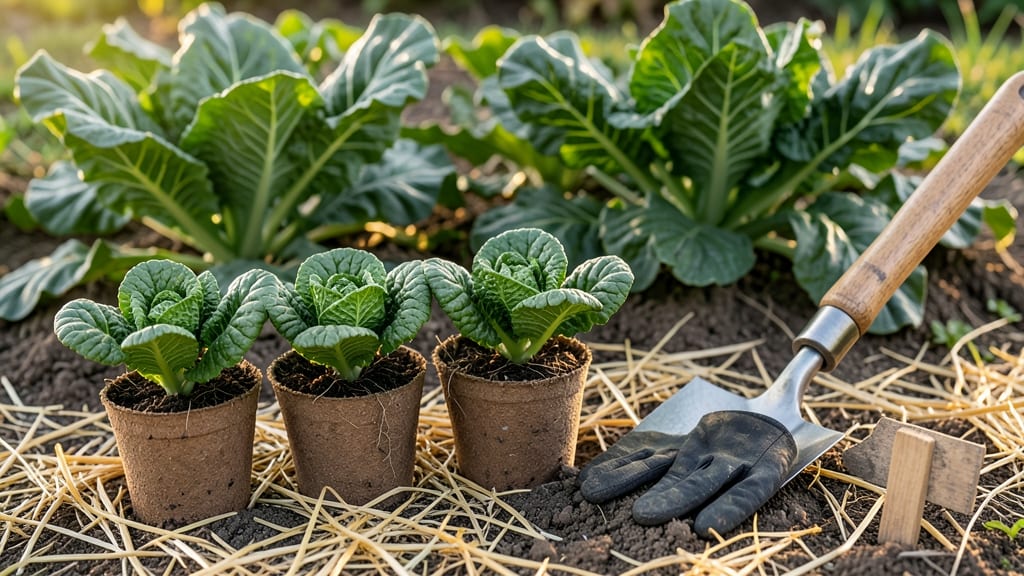
To plant a fall garden in Louisiana, aim for August through mid-September—that’s when heat-resistant varieties like collards and okra still thrive before temperatures drop.
Louisiana’s long, hot summers make timing your fall garden critical—plant too late, and your heat-sensitive crops will bolt or wilt before harvest. But with the right varieties and planting dates, you can beat the heat and enjoy fresh produce straight from your yard.
This guide covers the optimal window for transplanting, the top 10 heat-tolerant crops that flourish in 8a-9b zones, and how to avoid common mistakes like overestimating heat tolerance or skipping soil prep.
By following these steps, you’ll harvest leafy greens, root crops, and even tomatoes before the first frost—no matter how unpredictable Louisiana’s fall weather gets.
Louisiana’s ideal fall planting window: heat-resistant varieties before September 15
Understanding Louisiana’s fall planting window is all about beating the heat while avoiding early frost. The average first frost hits around November 15, but your crops need 6-8 weeks to mature before temperatures dip below 80°F.
This means your last chance to plant many heat-tolerant varieties is September 15—any later, and you risk stunted growth or bolting.
Louisiana’s humid subtropical climate (USDA Zones 8a-9b) creates unique challenges. While cooler nights signal fall, daytime temps can linger in the 90s°F well into October. The key is selecting heat-resistant crops that thrive in these conditions while still maturing before winter sets in.
Think okra, sweet potatoes, and collard greens—these varieties are built to handle the heat and humidity.
Here’s the science behind the timing: Most warm-season crops need 90-120 days to harvest, but Louisiana’s shortening daylight and rising humidity slow growth. Planting by September 15 gives your crops enough time to establish roots, grow, and produce before the first frost arrives.
This 6-week rule ensures your plants aren’t caught in the transition zone where temps fluctuate wildly.
| Crop | Last Planting Date | Days to Harvest | Heat Tolerance | Key Tip |
|---|---|---|---|---|
| Okra | September 1-15 | 50-65 days | Excellent (90°F+) | Thin seedlings to 12" apart |
| Sweet Potatoes | August 15-Sept 1 | 90-120 days | High (85°F+) | Use black plastic mulch |
| Collard Greens | August 15-Sept 30 | 45-60 days | Moderate (80°F+) | Succession plant every 2 weeks |
| Black-Eyed Peas | September 1-15 | 50-60 days | Good (85°F+) | Trellis for better airflow |
| Turnips | September 15-Oct 1 | 30-50 days | Moderate (75°F+) | Harvest greens first |
If you’re planting cool-season crops like lettuce or spinach, aim for October 1—these varieties can tolerate cooler temps but still need time to establish before frost. The trick is to space your plantings so you have a continuous harvest.
For example, plant a batch of kale in early September and another in mid-October to extend your harvest window.
Don’t overlook soil preparation—Louisiana’s clay-heavy soils retain heat and moisture differently than northern gardens. Before planting, amend your soil with compost or aged manure to improve drainage and fertility.
A soil test can reveal if your pH is too acidic (common in our region), which can stunt plant growth. Aim for a pH of 6.0-7.0 for most vegetables.
Watering is another critical factor. During Louisiana’s fall humidity spikes, you might think your plants don’t need much water, but consistent moisture is key. Water deeply in the morning to reduce fungal diseases like powdery mildew, which thrives in our damp climate. Use
Top 10 heat-tolerant fall crops for Louisiana gardens (and when to start them)
Louisiana’s fall garden thrives when you choose heat-tolerant varieties that handle lingering summer warmth while maturing before frost. The key is planting between mid-August and early September—any later, and crops like black-eyed peas or turnips may struggle to establish roots before temperatures dip.
My top picks focus on fast-maturing, high-yield crops that perform well in USDA Zones 8a-9b, where nights stay warm until November.
For best results, prep your soil with aged compost and a balanced 10-10-10 fertilizer to replenish nutrients after summer’s heat. Mulch with straw or leaves to retain moisture and regulate soil temperature—critical in Louisiana’s humid climate.
Below, I’ve ranked the top 10 crops by heat tolerance, maturity speed, and companion planting benefits to maximize your fall harvest.
Black-eyed peas top the list as Louisiana’s ultimate heat warrior, thriving in 90°F+ temperatures and maturing in just 50–60 days. Start seeds mid-August for a late October harvest, and pair them with okra and sweet potatoes to improve soil health. For soil prep, mix in 2 inches of compost and a low-nitrogen fertilizer (5-10-10) to prevent leggy growth. Water deeply twice weekly once pods form to ensure pod fill.
Collard greens and turnips are my go-to leafy greens for fall, handling 85°F days with ease. Plant collards by August 20 for a harvest by November, while turnips (like ‘Purple Top White Globe’) should go in by September 1. Both love well-draining soil with a pH of 6.0–7.0. Try interplanting with radishes—they mature quickly and mark rows without competing for space.
Don’t overlook heat-tolerant kale varieties like ‘Winterbor’ or ‘Vates,’ which can handle 80°F+ and sweeten with frost. Transplant 4–6 weeks before your first frost (typically early October in Louisiana) for a 60–70-day harvest window.
To boost growth, side-dress with compost tea every 3 weeks and use row covers if nights dip below 50°F.
For root crops, carrots and beets like ‘Danvers’ and ‘Detroit Dark Red’ are excellent choices. Sow seeds by mid-August in loose, stone-free soil to prevent forking. Thin seedlings to 2 inches apart once they’re 2 inches tall, and mulch heavily to retain moisture.
Pair them with lettuce or spinach for a shade-tolerant companion that thrives in their gaps.
Finally, radishes like ‘Cherry Belle’ or ‘French Breakfast’ are the fastest fall crop, ready in 25–30 days. Plant every 2 weeks from late August through September for a staggered harvest.
Their shallow roots make them perfect for container gardening or interplanting with slower growers like broccoli or cabbage. Keep soil consistently moist to avoid pithy, woody radishes.
Pro tip: Use shade cloth (30–50%) on the hottest days (95°F+) to protect young seedlings. And always harvest regularly—this encourages continuous production until frost. With these heat-tolerant picks and precise timing, your Louisiana fall garden will be bountiful well into December! 🌱