I’ve always had a green thumb—whether it was sneaking seeds from my grandpa’s garden as a kid or turning a patch of dirt behind our apartment into a tiny jungle. Now, I’m here to share the joy of growing things, from first-time gardeners to seasoned green thumbs. My approach is simple: no fancy jargon, just practical tips, honest advice, and a little bit of the magic that happens when you watch something grow from seed to harvest.
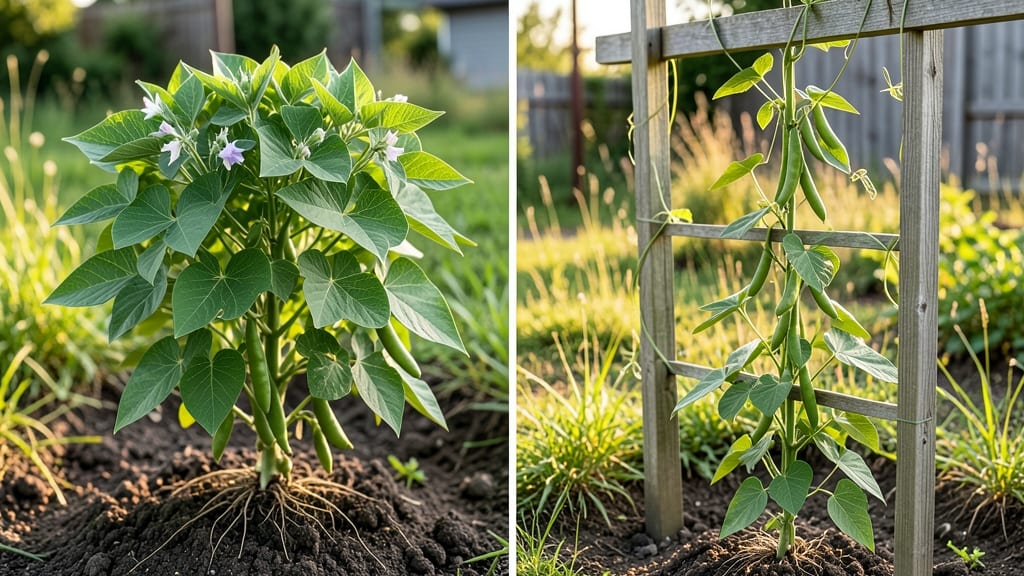
💥 Quick Answer Garden beans and green beans aren't the same: garden beans refer to mature, dried varieties like kidney or pinto beans, while green beans are the young, unripe pods harvested fresh for eating. Though they…
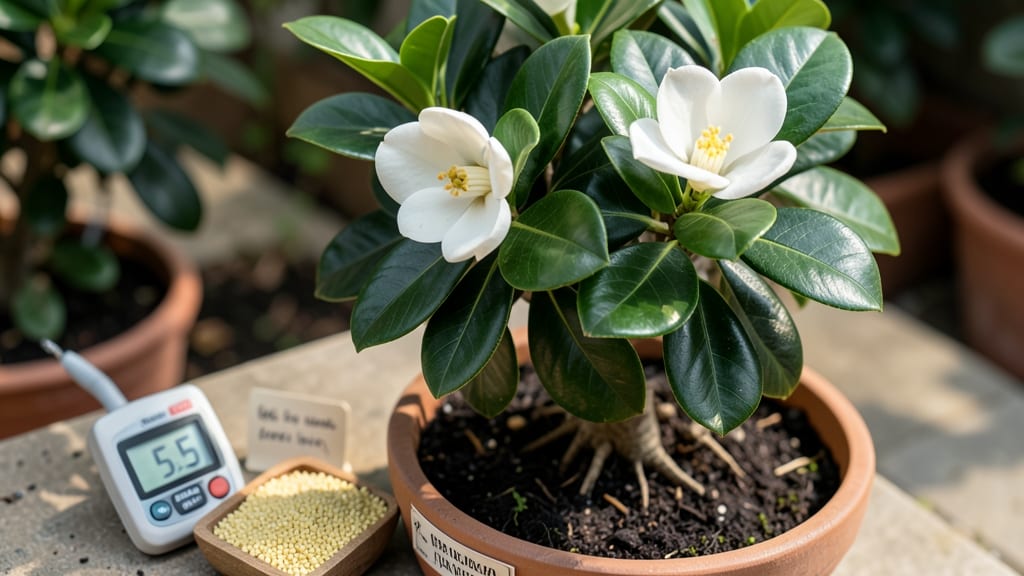
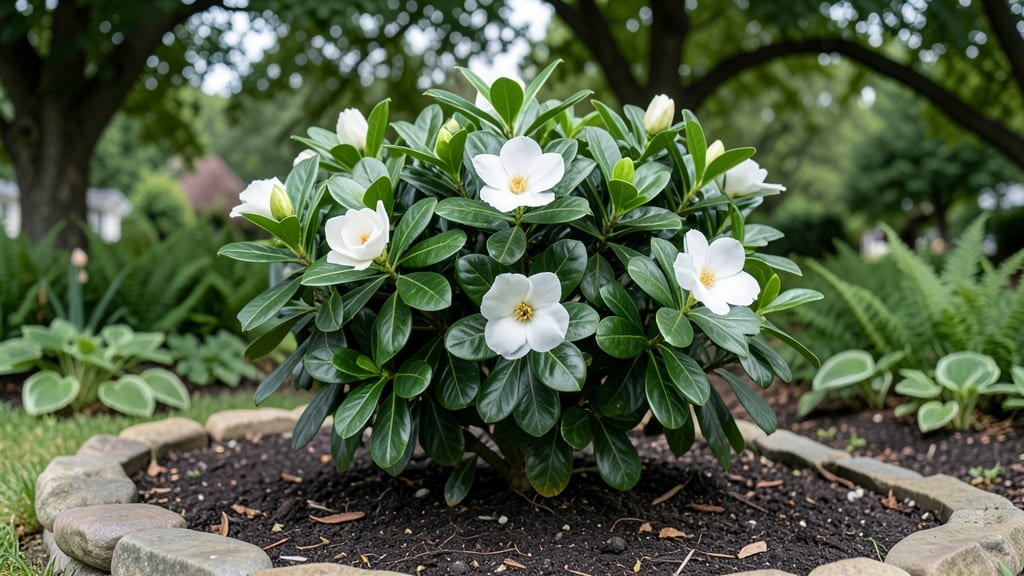
💥 Quick Answer Gardenias are acid-loving plants that thrive in soil with a pH range of 5.0 to 6.5, mimicking their natural tropical habitat. Acidic conditions enhance nutrient uptake, particularly iron, which prevents…
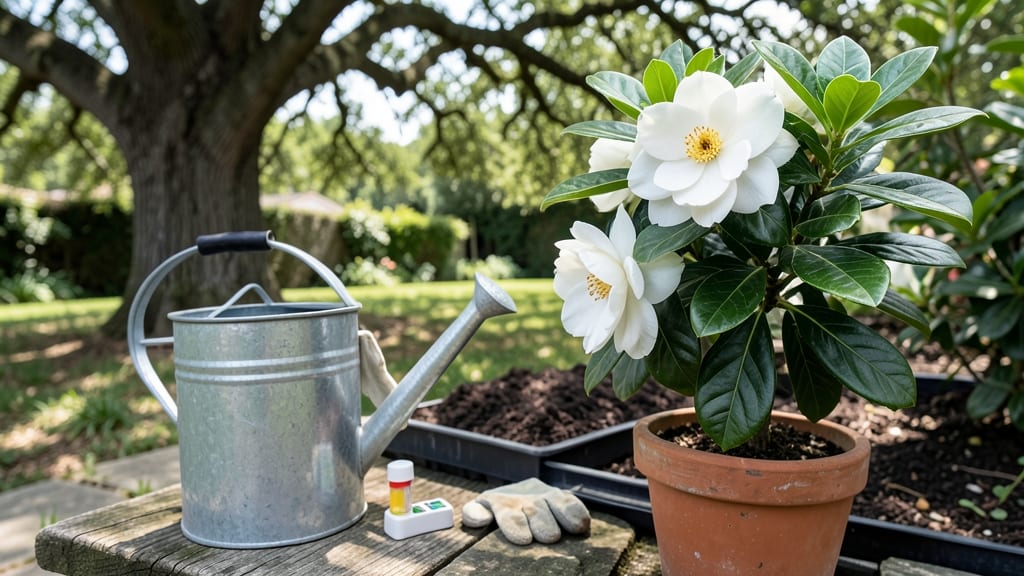
💥 Quick Answer Gardenias are hard to take care of only if you don't meet their core requirements: they prefer acidic, well-draining soil, partial shade, and steady moisture, though they demand patience for blooms and…
💥 Quick Answer Whether gardenias are perennials or annuals depends on your climate: they grow as hardy perennials in USDA Zones 8-11, returning year after year, but must be treated as tender perennials or annuals in…
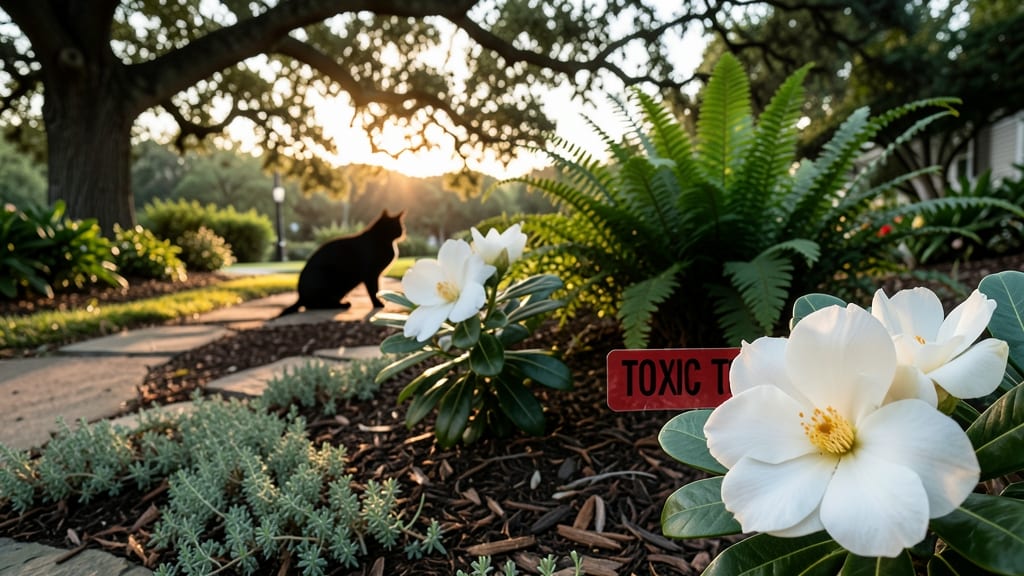
💥 Quick Answer Gardenias are toxic to cats because their leaves, flowers, and stems contain saponins and other compounds that trigger vomiting, excessive drooling, and lethargy. If your cat ingests any part of the…
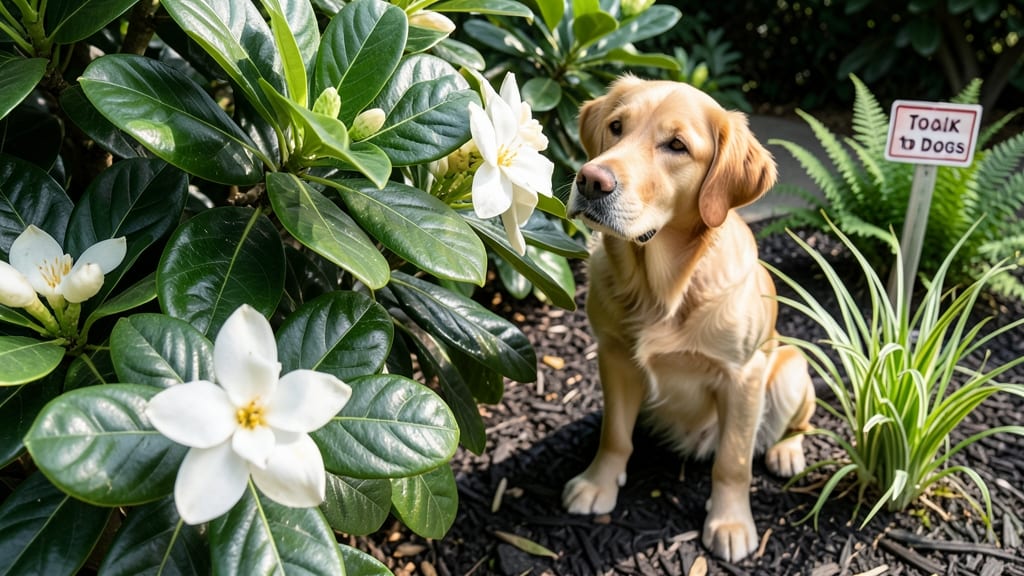
💥 Quick Answer Gardenias are toxic to dogs because their leaves and flowers contain grayanotoxins, which trigger vomiting, weakness, and even heart rhythm disturbances if chewed or swallowed. Watch for symptoms like…
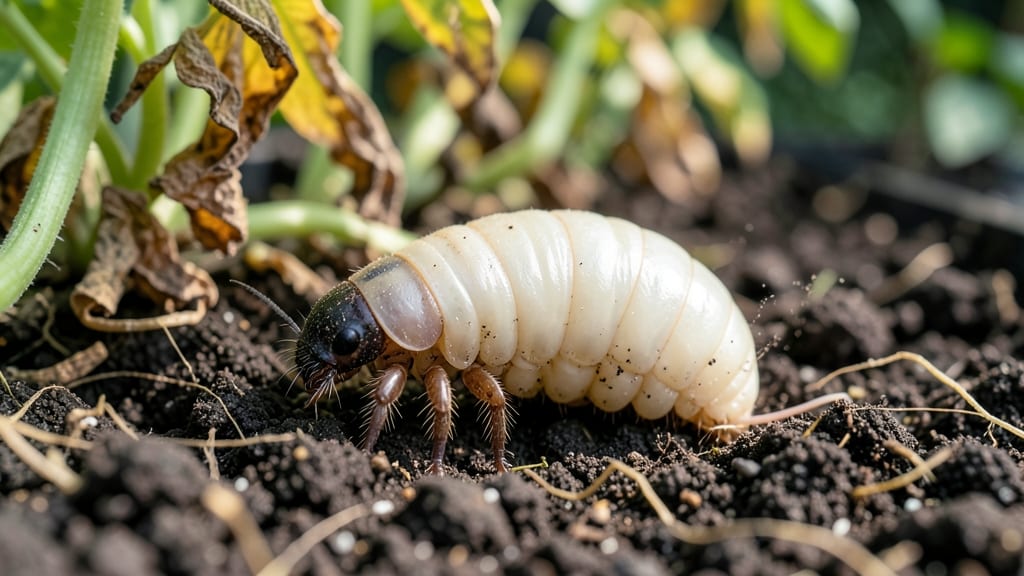
💥 Quick Answer Grub worms are bad for your garden because they systematically destroy grass and plant roots, creating unsightly brown patches, stunted growth, and even plant death. Japanese beetle and May/June beetle…
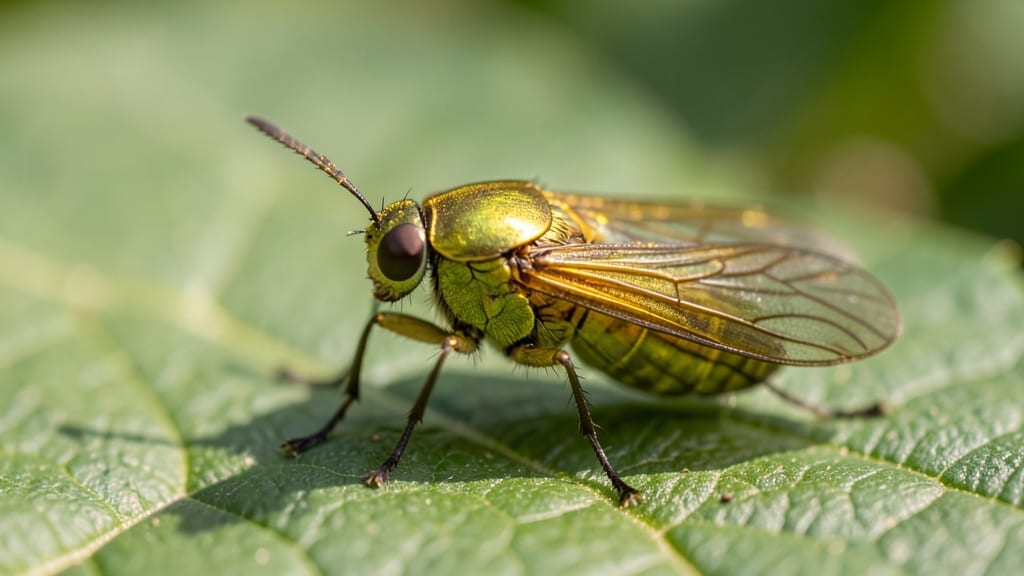
💥 Quick Answer Lightning bugs are good for the garden because their larvae consume mosquito eggs and larvae, naturally reducing pest populations while also preying on other soft-bodied insects like aphids and…
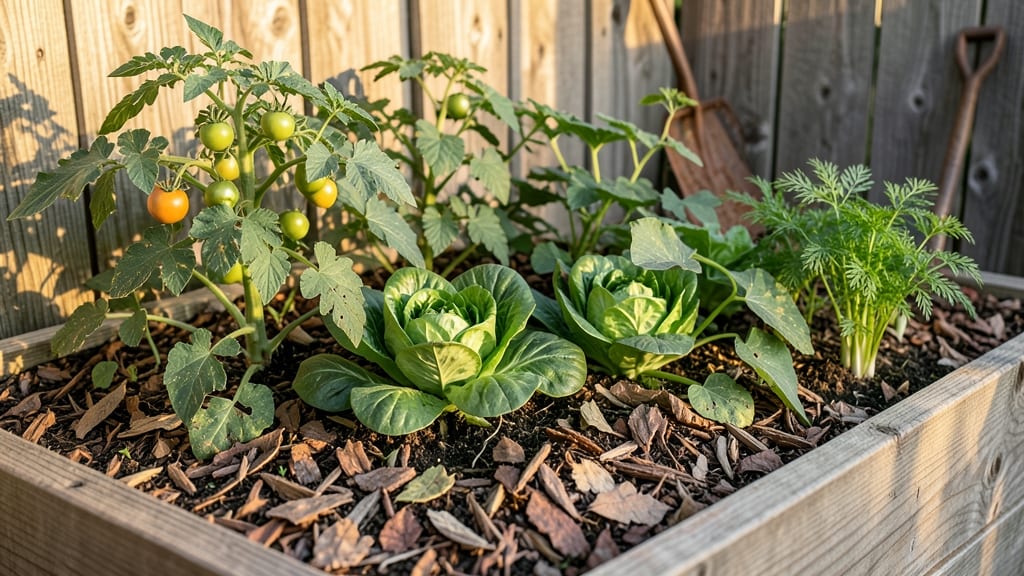
💥 Quick Answer Mulched leaves are good for vegetable gardens because they lock in moisture, block weeds, and break down into nutrient-rich compost—but too thick a layer can smother plants or attract pests. Using fallen…
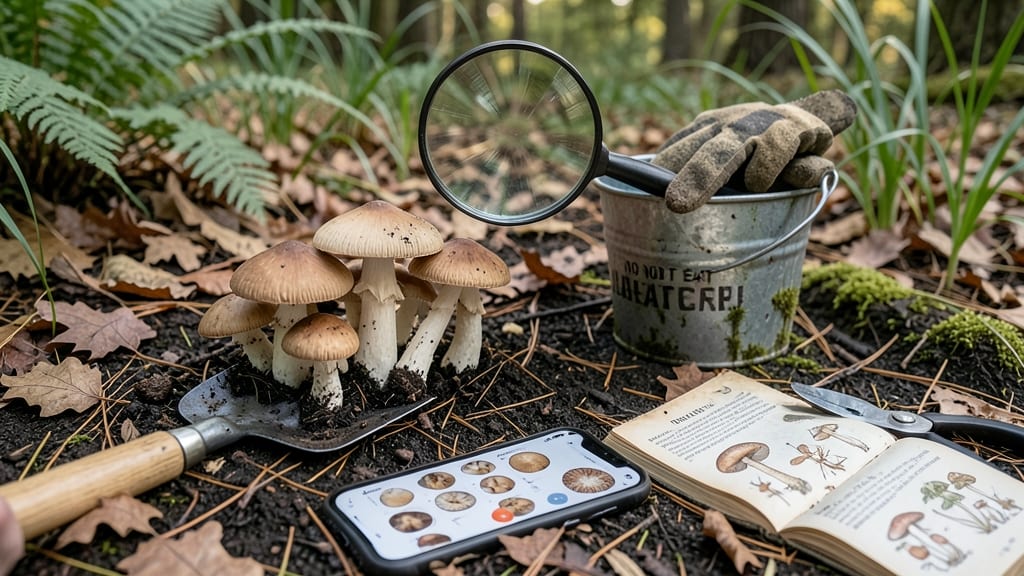
💥 Quick Answer Are mushrooms in my garden bad? They aren't automatically harmful—they often reflect nutrient-rich soil from decomposing organic material, but certain types can signal drainage issues or excess moisture…