I’ve always had a green thumb—whether it was sneaking seeds from my grandpa’s garden as a kid or turning a patch of dirt behind our apartment into a tiny jungle. Now, I’m here to share the joy of growing things, from first-time gardeners to seasoned green thumbs. My approach is simple: no fancy jargon, just practical tips, honest advice, and a little bit of the magic that happens when you watch something grow from seed to harvest.
💥 Quick Answer Putting all your eggs in vertical gardening grows a garden by transforming walls, fences, and shelves into productive growing space, letting you cultivate more plants in less square footage with minimal…
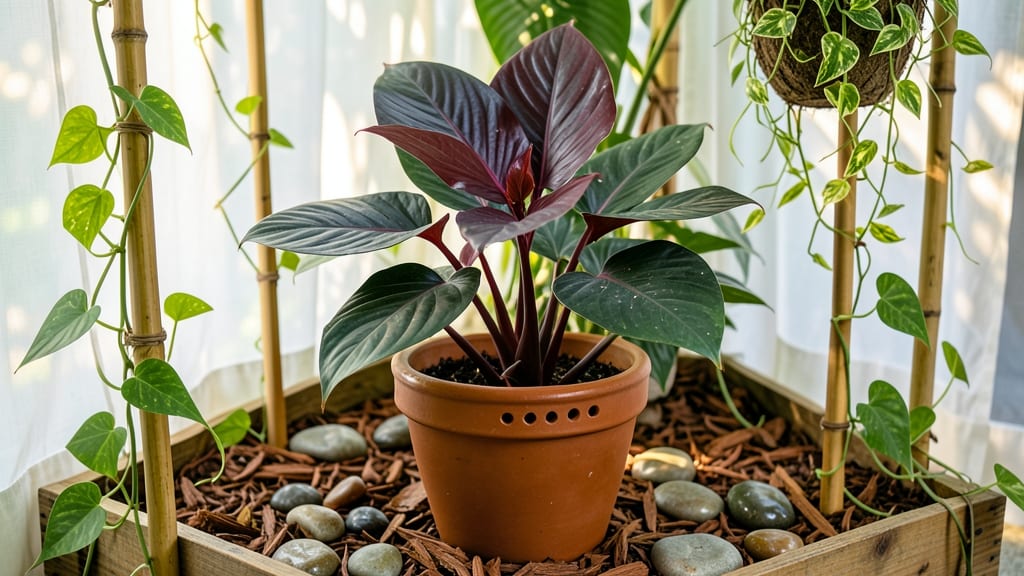
Garden ideas featuring alocasia can turn any space into a stunning tropical retreat , whether indoors or in frost-free zones. Picture this: bold, glossy leaves reaching toward the sky, casting dramatic shadows that dance…
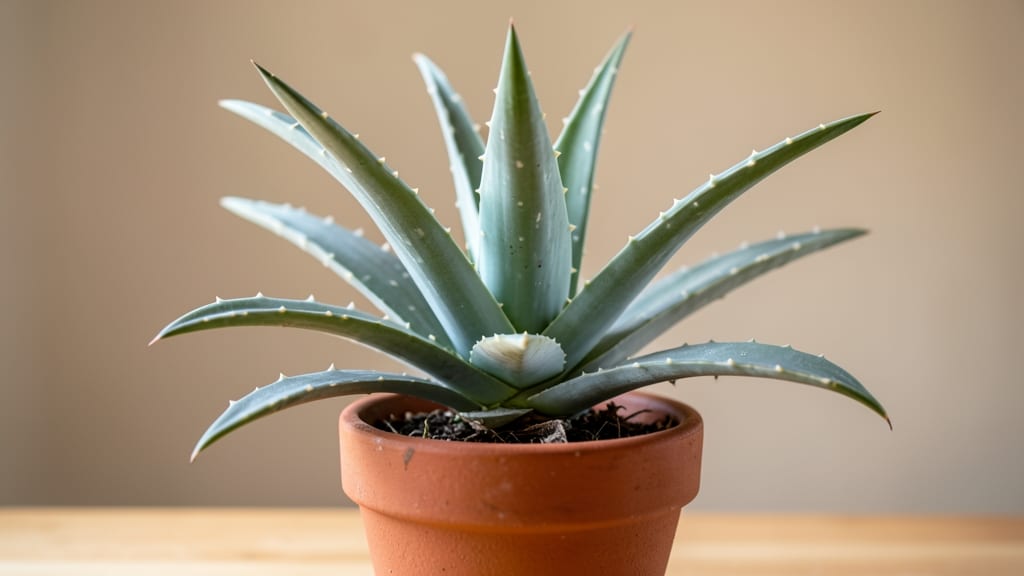
💥 Quick Answer Using aloe vera in garden creates a natural pest barrier through its bitter sap that deters insects like aphids and ants, while its fallen leaves decompose to improve soil fertility and moisture…
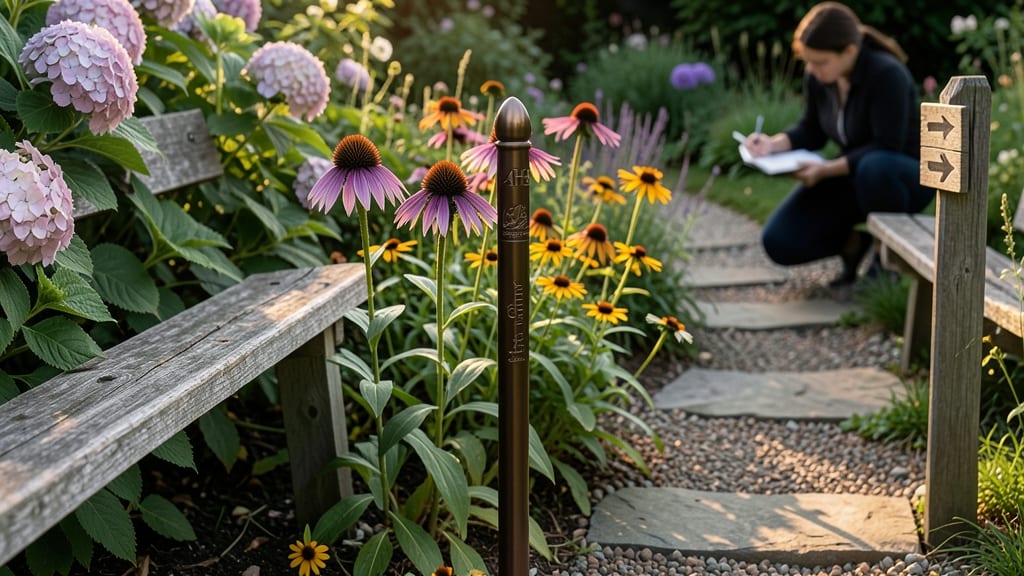
💥 Quick Answer The American Horticultural Society's reciprocal garden network lets plant lovers trade rare seeds, cuttings, and plants through a collaborative catalog system that eliminates shipping costs and promotes…
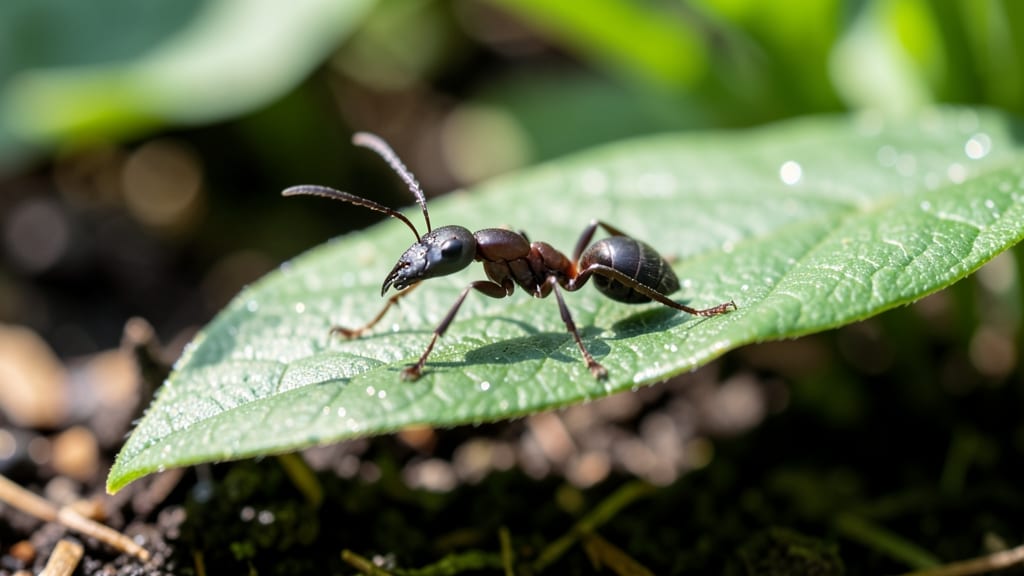
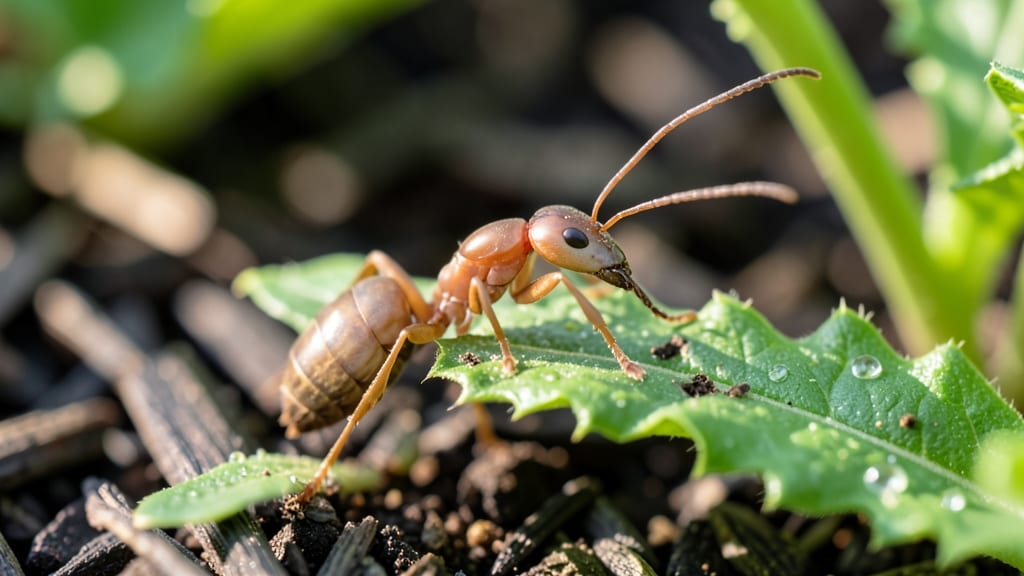
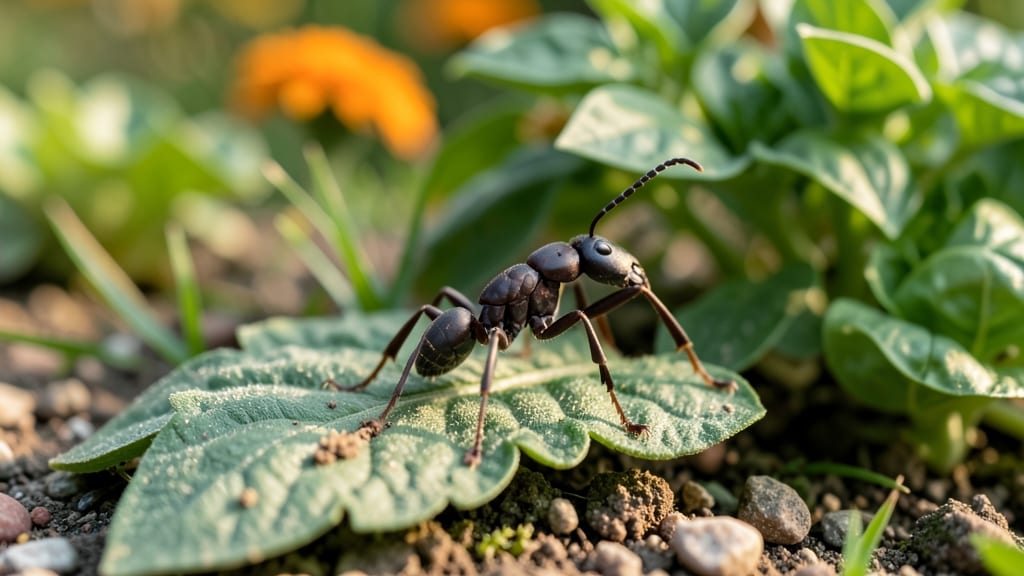
💥 Quick Answer Deciding whether ants in garden beds are good or bad depends on their species and behavior—most contribute to soil aeration and pest control, but aggressive colonies can damage roots or create nuisance…
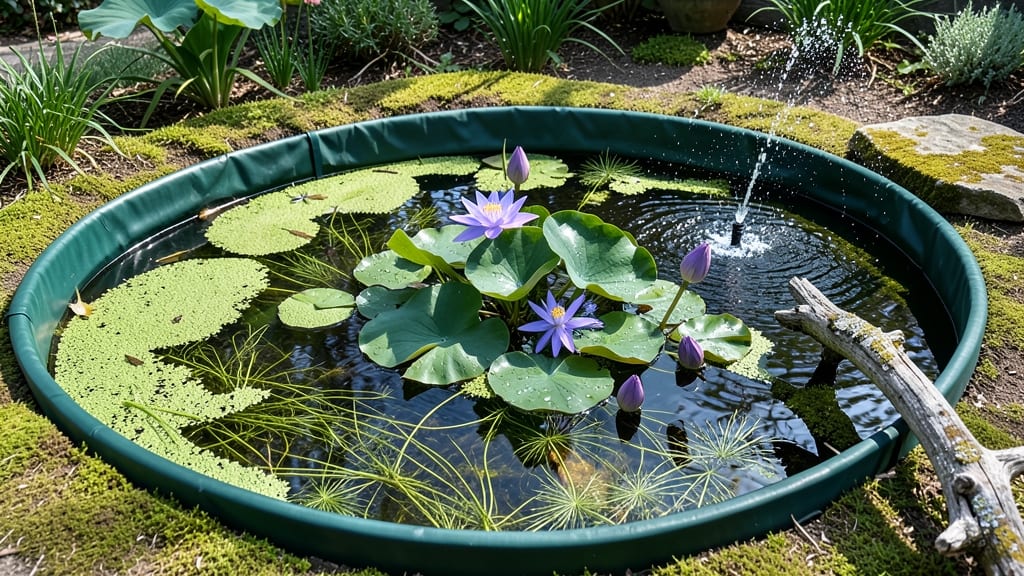
💥 Quick Answer Finding aquatic gardens near you reveals tranquil spaces designed with water-loving flora, including vibrant lotus pads, oxygenating plants, and themed wetland areas like bogs and rain gardens that…
💥 Quick Answer Ants in a garden aren’t inherently bad—they aerate soil, disperse seeds, and control pests like aphids, but certain species (e.g., carpenter ants) can damage plants or wood structures while others may…
💥 Quick Answer Ants are beneficial to a garden by aerating soil, dispersing seeds, and controlling pests like aphids, but they can also damage plants by harvesting sap or disturbing roots—balancing their ecological role…
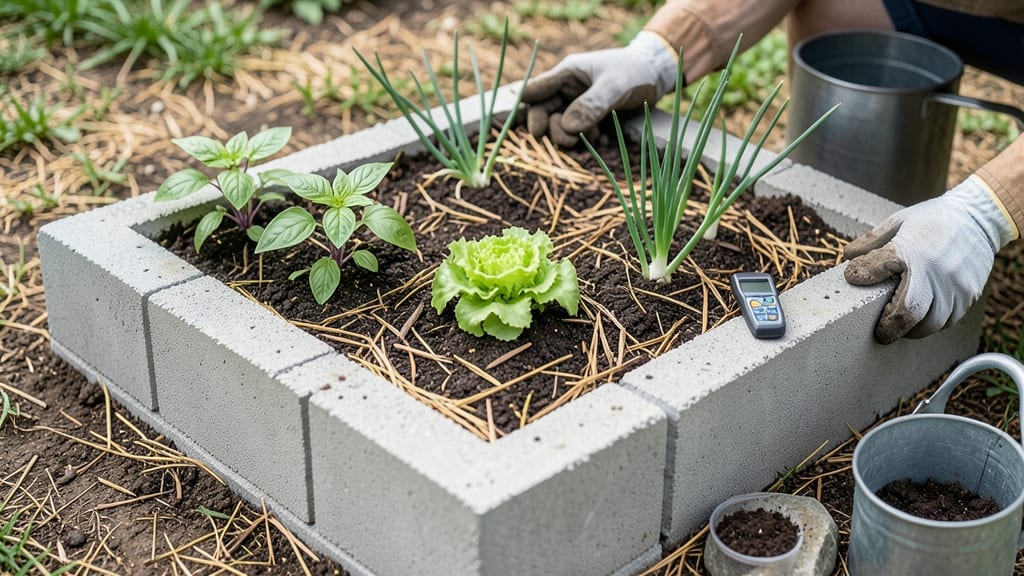
💥 Quick Answer Cinder blocks are generally safe for vegetable gardens when used as raised bed frames, but they can alter soil pH slightly over time and restrict root growth if not properly lined. Avoid direct contact…
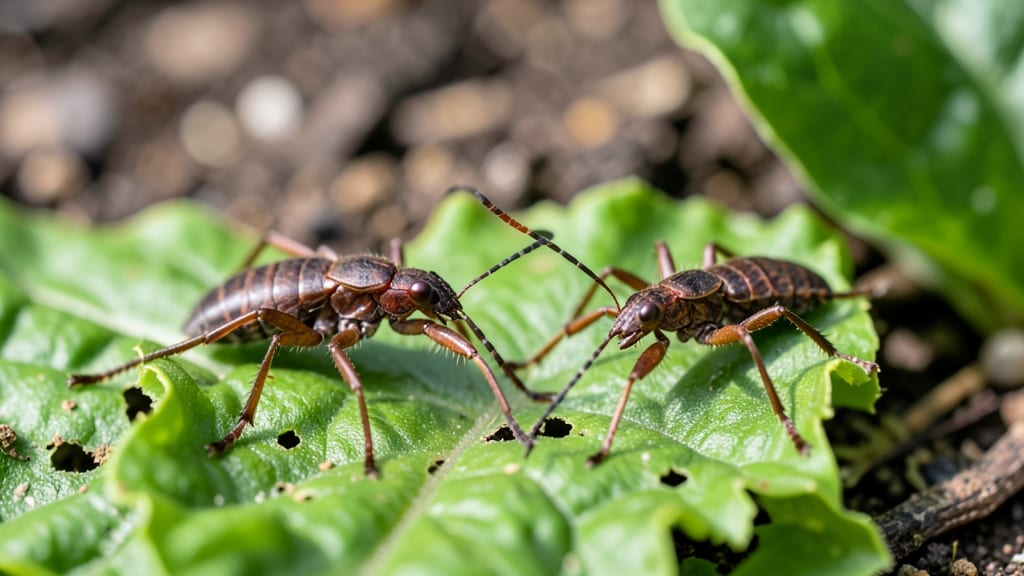
💥 Quick Answer Earwigs aren’t bad for gardens—they actually control pests like aphids, break down decaying plant material, and help decompose organic waste, though they may nibble on leaves or flowers if overpopulated…