I’ve always had a green thumb—whether it was sneaking seeds from my grandpa’s garden as a kid or turning a patch of dirt behind our apartment into a tiny jungle. Now, I’m here to share the joy of growing things, from first-time gardeners to seasoned green thumbs. My approach is simple: no fancy jargon, just practical tips, honest advice, and a little bit of the magic that happens when you watch something grow from seed to harvest.
💥 Quick Answer Victory gardens during World War 1 transformed civilian spaces into food production hubs, providing up to 40% of Britain's fresh vegetables by 1918 and easing critical shortages across war-torn Europe and…
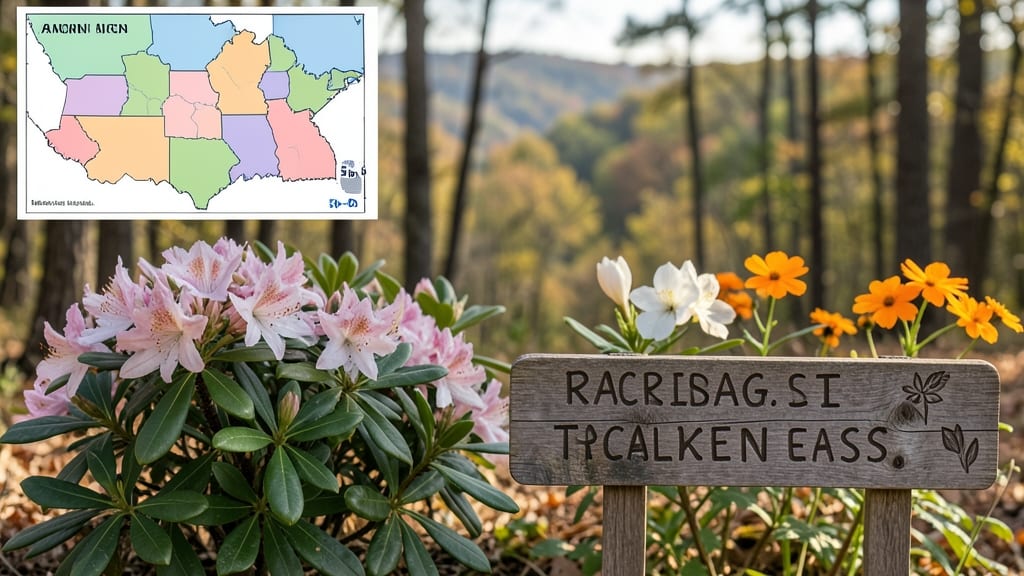
💥 Quick Answer Virginia's garden zones span from 5a to 8a, with most regions falling in zones 6b through 7b, which directly impact which plants can survive your area's winter lows and summer heat. Your specific zone…
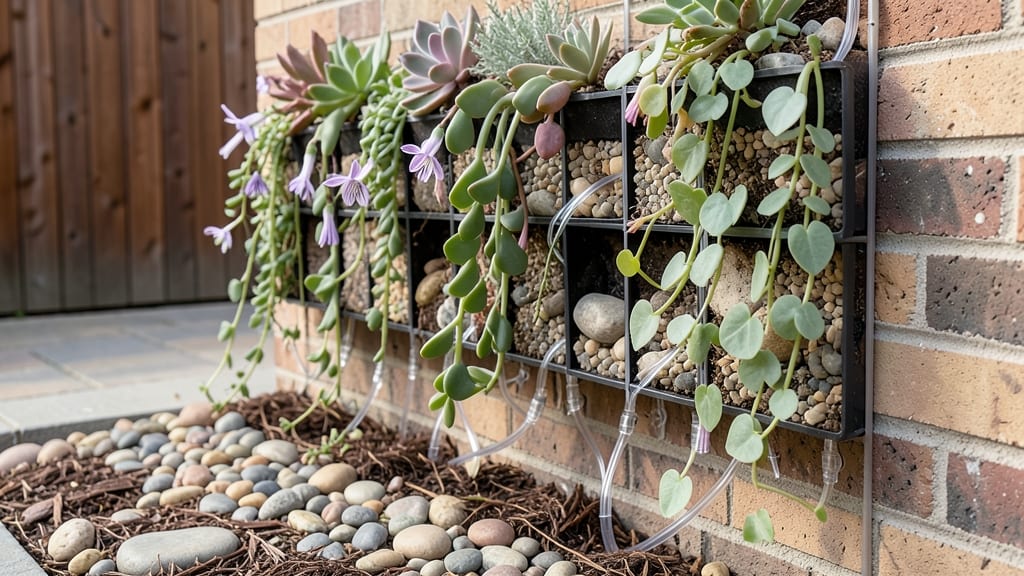
Designing an outdoor wall garden transforms tight spaces into vibrant green havens 🌿—ideal for small yards, balconies, or urban patios. Picture this: a vertical oasis where herbs, flowers, and veggies thrive without…
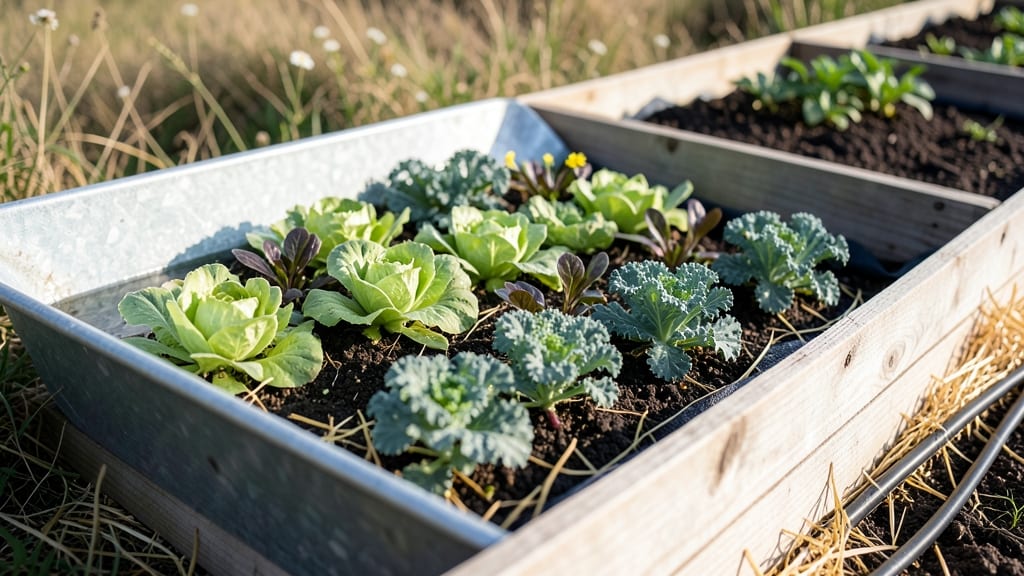
Repurposing water troughs into raised garden beds 🌱 unlocks a world of space-saving, low-cost gardening that’s perfect for small yards or urban spaces. Picture this: a sturdy metal or plastic trough, lined with…
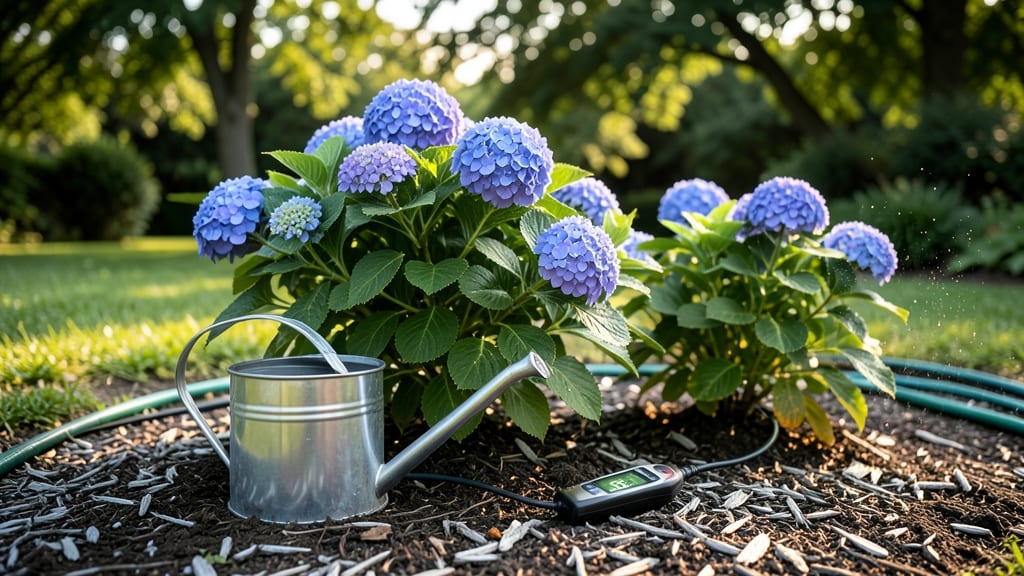
💥 Quick Answer Watering your garden at night increases humidity risks, promotes fungal growth, and wastes moisture through evaporation. Early morning or late afternoon is ideal for most plants, though succulents and…
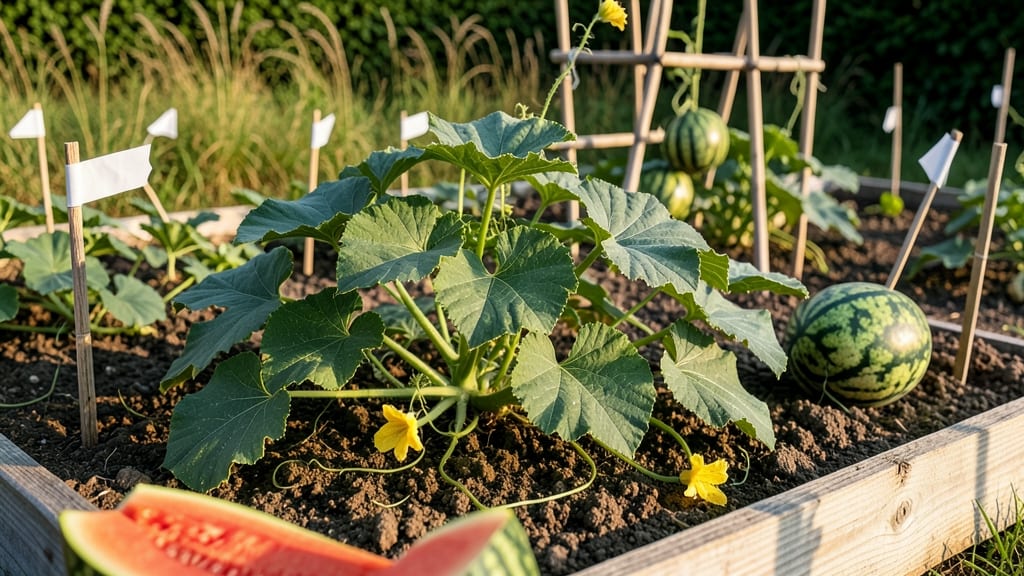
Spacing your watermelon garden correctly is the difference between plump, sweet fruit and vines fighting for every inch of soil. If you’ve ever watched your 🍉 watermelon plants sprawl into tangled messes or seen fruit…
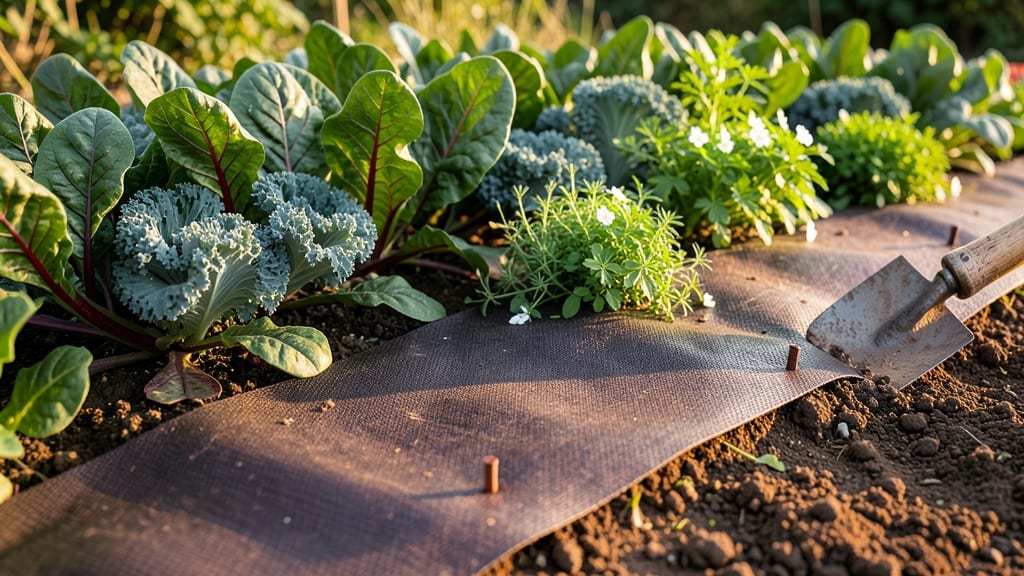
A weed guard for gardens is your secret weapon against invasive weeds that drain soil nutrients and strangle young plants. Picture this: you’ve just spent hours prepping your garden beds, only to watch weeds pop up…
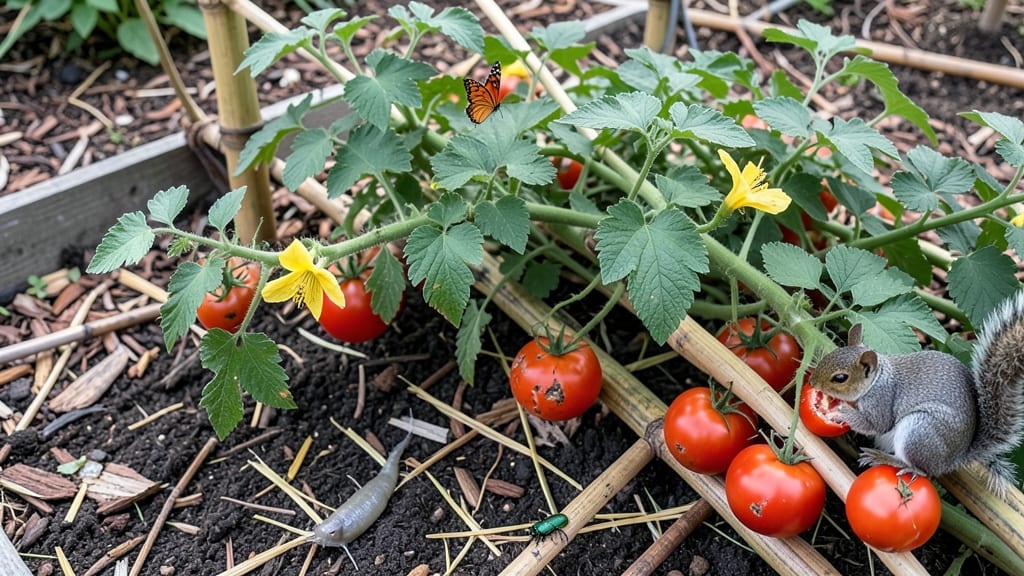
💥 Quick Answer Animals that commonly eat garden tomatoes include squirrels, rabbits, raccoons, deer, birds, and slugs, which attack both ripe and unripe fruit. These creatures often leave behind chewed foliage or…
💥 Quick Answer You can plant fast-growing edibles in your garden now, including radishes, leafy greens (spinach, kale), green onions, and bush beans, which thrive in early spring or fall conditions. Cool-season herbs…
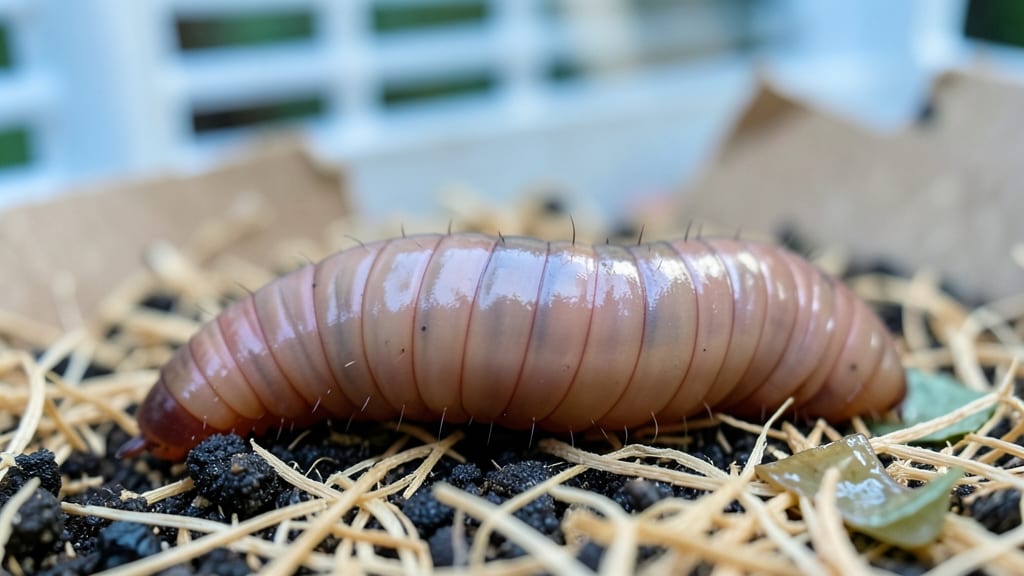
💥 Quick Answer Garden worms eat decaying organic matter like fallen leaves, grass clippings, fruit scraps, and composted vegetables. They thrive on nitrogen-rich materials and help break down plant debris into…